 EN
EN


What Is Cold Shrink Tubing and Why It Is Becoming the Preferred Cable Protection Solution
In modern electrical and communication infrastructure, reliable cable insulation is essential. From power distribution systems to telecom installations, protecting cable joints and connectors from moisture, dust, and mechanical stress is critical. One technology that has gained increasing popularity in these applications is cold shrink tubing.
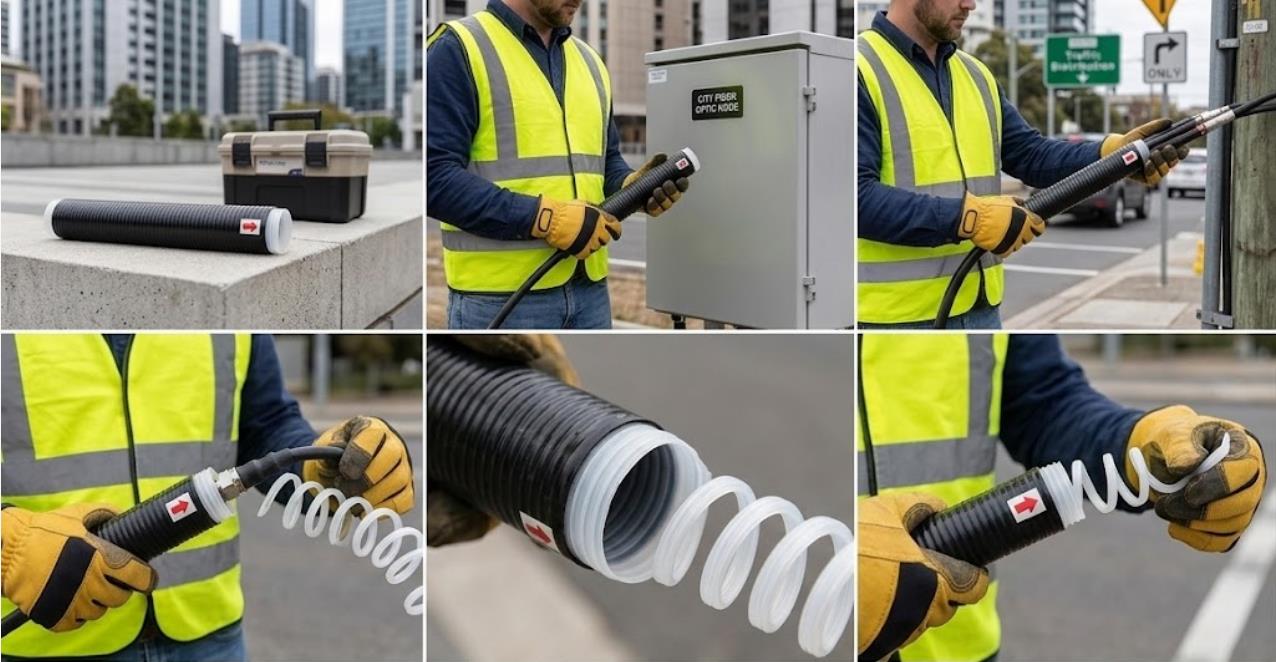
Cold shrink tubing is a specially designed elastic rubber tube that is pre-expanded and mounted on a removable plastic core. During installation, the tube is positioned over a cable connection, and the installer simply pulls the core out. As the core unwinds, the tube shrinks naturally around the cable, forming a tight and secure seal.
Unlike traditional heat shrink tubing, this method requires no heating tools, torches, or specialized equipment, making installation faster and safer.
How Cold Shrink Tubing Works
Cold shrink tubing is usually manufactured from high-quality silicone rubber or EPDM rubber, materials known for their elasticity and long-term durability. When the tube is factory-expanded and placed on a spiral plastic core, it stores elastic energy. Once the core is removed, the tube returns to its original diameter and tightly grips the cable or connector.
This “memory effect” allows the tubing to maintain constant radial pressure, which helps create a reliable environmental seal against water and contaminants.
Key Advantages of Cold Shrink Tubing
● Tool-Free Installation
One of the biggest advantages of cold shrink tubing is its extremely simple installation process. Technicians only need to position the cold shrink tube and pull the core. There is no need for heat guns or flame equipment, which significantly reduces installation time and safety risks.
● Reliable Environmental Sealing
Cold shrink tubes form a tight seal around cables and connectors. This helps prevent water ingress, dust contamination, and corrosion, ensuring long-term reliability in harsh environments.
● Excellent Weather and Temperature Resistance
Silicone cold shrink tubing can typically withstand a wide temperature range, often from around –55°C to 200°C, while maintaining flexibility and insulation performance.
Typical Applications Across Industries
Cold shrink tubing is widely used in industries such as:
1. Power utilities
2. Telecommunications
3. Railway systems
4. Renewable energy
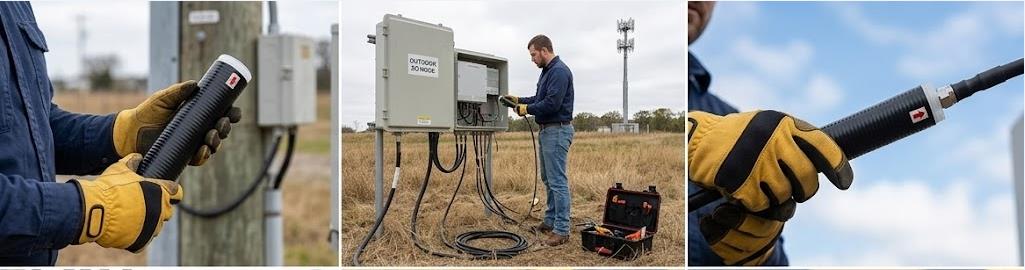
In these sectors, installation speed and long-term reliability are extremely important. Cold shrink technology helps reduce installation errors while providing consistent protection.
Choosing the Right Cold Shrink Tubing Supplier
When selecting cold shrink tubing, buyers should consider factors such as:
1. Material quality (silicone or EPDM rubber)
2. Shrink ratio and cable compatibility
3. Environmental resistance
Manufacturing reliability
Manufacturers like Volsun specialize in producing high-performance cold shrink tubing that is compatible with commonly used industry standards. These products provide a reliable alternative solution for cable insulation and sealing applications.
Cold shrink tubing represents a major improvement over traditional cable insulation methods. With its tool-free installation, strong sealing performance, and excellent durability, it has become a preferred solution for modern electrical and communication systems.