 EN
EN


Why Must Busbars Be Insulated? Volsun Explains the Reasons and Solutions
In power distribution systems, busbars are like the "power highways" of the entire factory, responsible for stably and safely delivering high currents to various equipment. Today, we will explain in simple language, understandable even to non-technical customers, why busbars must be insulated and the common protection methods used.
Why do busbars need insulation? What are the risks of not insulating them?
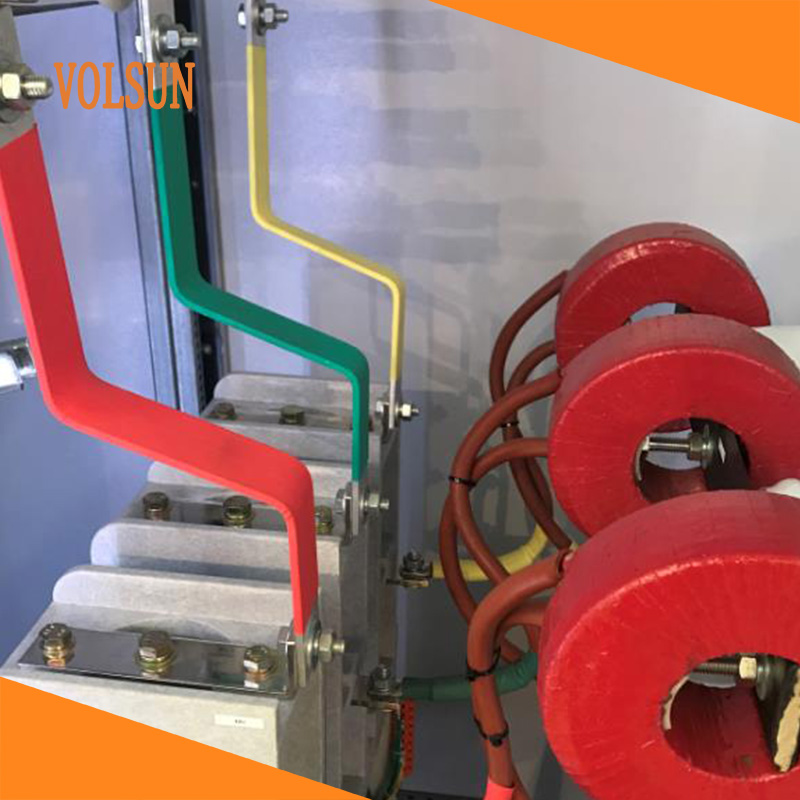
1. Preventing short circuits and avoiding major accidents
Busbars are generally made of copper or aluminum bars, and when exposed, they are very close together. If there are problems such as dust, moisture, or metal shavings, a "breakdown" may occur, leading to a phase-to-phase short circuit.
A short circuit will cause the current to surge in a short time, ranging from tripping the circuit breaker to causing explosions, arcing, or even burning down the entire cabinet.
2. Preventing accidental contact and improving the safety of maintenance personnel
Whether in low-voltage or high-voltage cabinets, exposed busbars pose a risk of accidental contact. If a tool or hand accidentally touches them during maintenance, the consequences will be very serious. Insulation effectively blocks the danger and improves safety.
3. Enhancing resistance to dirt and moisture
Factory environments are not always ideal. Heavy dust, high humidity, and oil contamination can make the surface of exposed busbars more susceptible to creepage or flashover. With an insulation layer, it's like wearing protective clothing, greatly reducing the impact of the environment on the equipment.
What are the common insulation protection methods for switchgear busbars?
We primarily recommend heat-shrinkable insulation tubing, which is the most common busbar protection method for low-voltage and medium-voltage switchgear.
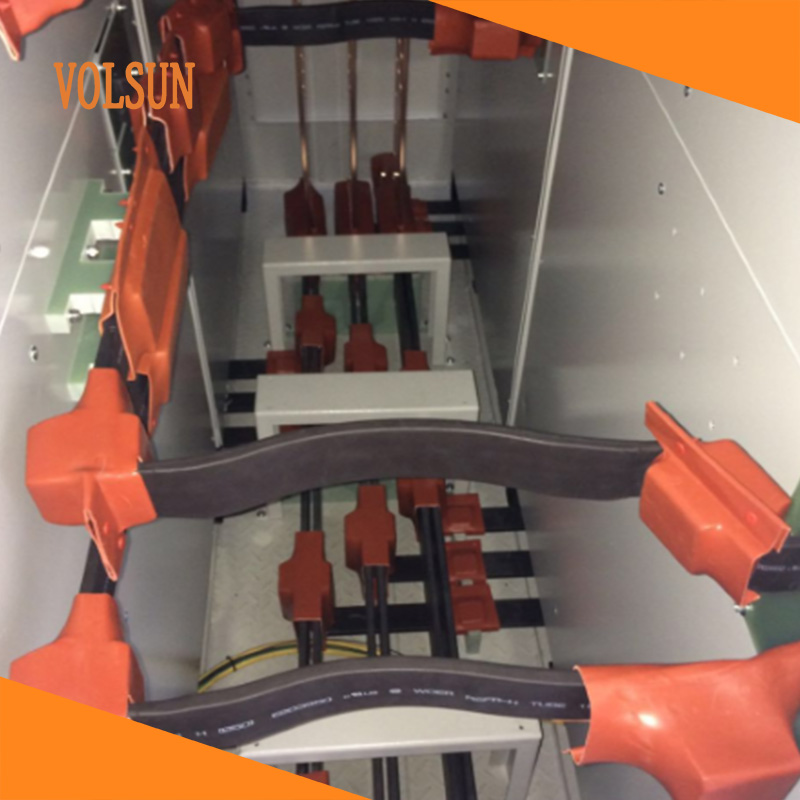
Features:
• Simple installation; it forms by heating and shrinking.
• Flame-retardant, heat-resistant, and highly stable.
• Reasonable cost and excellent cost-effectiveness.
Suitable for most factories, buildings, and power distribution projects.
Application Case
A food processing plant in Southeast Asia experienced increased busbar surface contamination after several years of operation due to high humidity, strong odors, and a dusty environment in the factory. During an inspection, an electrician found obvious signs of creepage near the busbars, and continued operation could easily lead to a short circuit accident.
Based on the factory's environmental characteristics, we recommended a combination of heat-shrinkable insulation tubing and busbar boxes. After the protection upgrade:
• The insulation level of the busbar is significantly improved.
• Condensation and contamination issues are effectively isolated.
• The temperature rise of the distribution cabinet is more stable.
• Overall safety risks are reduced by over 80%.
Therefore, whether you are involved in project engineering, power distribution equipment, or factory operation and maintenance, as long as it involves switchgear, busbar insulation is fundamental to safe and stable operation. Contact Volsun to customize your exclusive solution.