 EN
EN


Cold Shrink Tubing Explained: A Practical Guide from Volsun Application Engineers
In modern power and telecommunications projects, reliability during installation is just as important as long-term performance. This is why cold shrink tubing has become the preferred insulation and sealing solution for engineers worldwide.
With over 20 years of experience in polymer insulation materials, Volsun will provide a detailed explanation of how cold shrink tubing works, how to choose the right material, and how to maximize its value in practical applications.
What is Cold Shrink Tubing? Why do engineers use it?
Cold shrink tubing is a factory pre-expanded elastomer sleeve made of silicone rubber or EPDM, supported by a removable spiral plastic core. Unlike traditional heat shrink solutions, it requires no external energy. Once the core is removed, the sleeve recovers to its original diameter, forming a stable radial compression around the cable or connector.
This recovery force-driven sealing mechanism ensures long-term performance without the need for flames, heat guns, or operator intervention. In Volsun projects, cold shrink tubing is commonly used in the following areas:
- Medium and low voltage electrical insulation
- Cable joint and connector sealing in confined spaces
- Connector insulation for switchgear and control cabinets
- End caps and protective covers for outdoor terminals
- Waterproof sealing in UV-exposed environments
This "cold shrink sealing" method eliminates the uneven shrinkage problems common with heat-based methods.
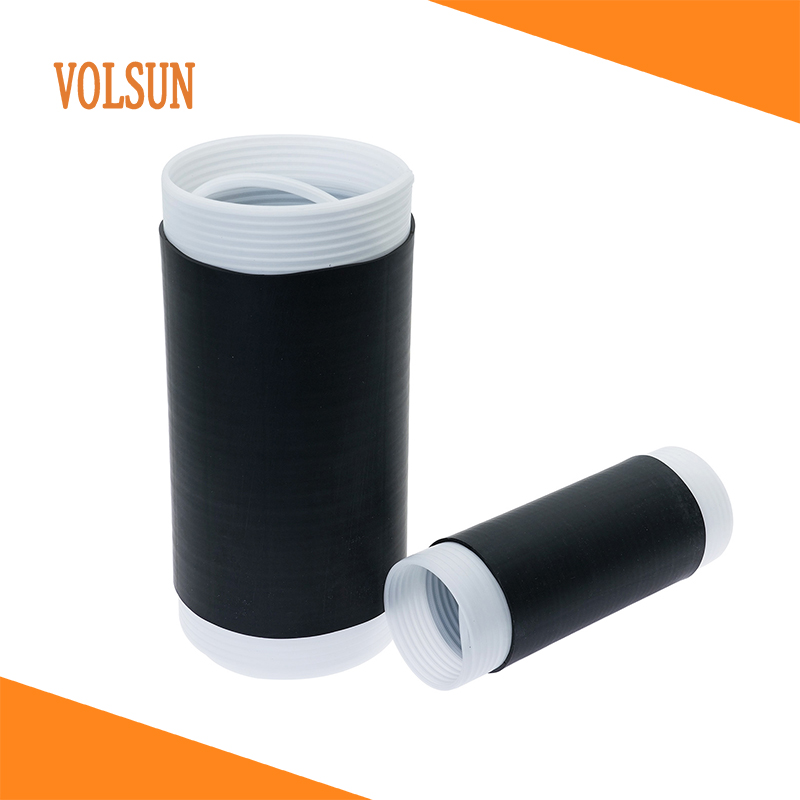
Silicone Cold Shrink Tubing or EPDM Cold Shrink Tubing?
At Volsun, material selection is always driven by the operating environment, not just price.
Silicone Rubber Cold Shrink Tubing
Silicone rubber cold shrink tubing is designed for applications with demanding thermal or mechanical conditions. With a continuous operating temperature range of -60°C to +200°C and a typical shrink ratio of up to 5:1, silicone offers excellent elastic memory and vibration resistance.
EPDM Cold Shrink Tubing
EPDM cold shrink tubing focuses on environmental resistance. It offers excellent resistance to UV radiation, ozone, moisture, and chemicals, making it a cost-effective choice for large-scale outdoor deployments such as telecommunication base stations and substations. Volsun recommends choosing either silicone rubber or EPDM cold shrink tubing based on the specific application environment requirements.
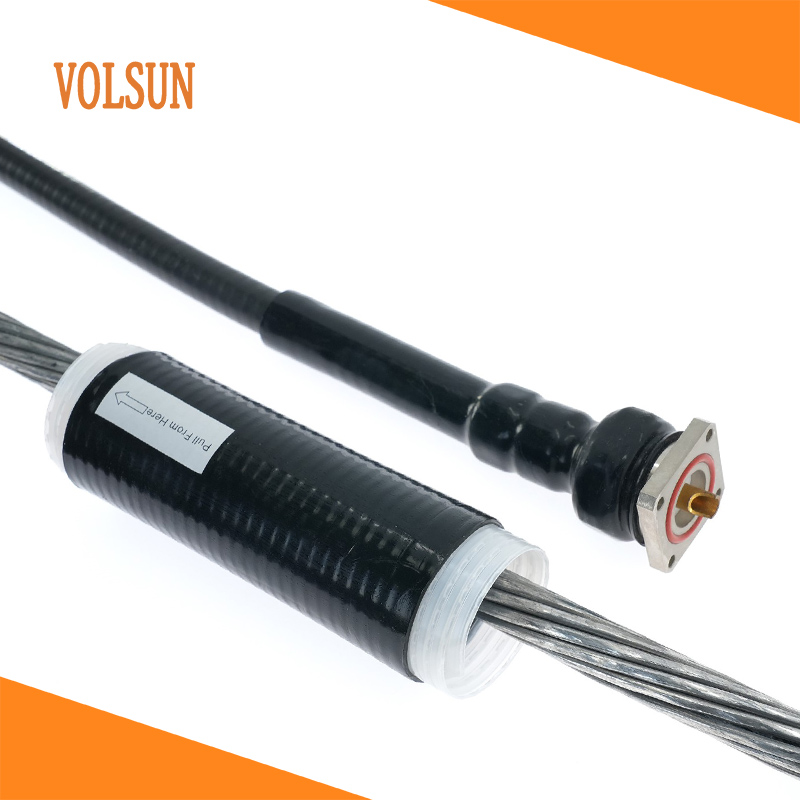
Cold Shrink Tubing vs Heat Shrink Tubing: A Practical Comparison
Based on field feedback, cold shrink tubing outperforms heat shrink tubing in terms of installation safety, consistency, and time efficiency. Cold shrink products require no open flame, no tools, and provide uniform pressure, with no performance degradation after installation.
For critical insulation points, many Volsun customers use cold shrink tubing as a standard solution rather than an alternative. Installation requires no heating, no torque tools, and no rework. This simplicity is why Volsun cold shrink connector kits are widely adopted by field engineers.
Proven Reliability in Real-World Applications
All Volsun cold shrink products are manufactured under an ISO9001 quality control system and undergo electrical performance, aging, moisture sealing, and UV resistance testing. One of our Southeast Asian power company customers uses Volsun EPDM cold shrink connectors to protect outdoor cable terminations exposed to year-round UV radiation and monsoon humidity, achieving excellent insulation, sealing, and moisture protection.
As a professional manufacturer of cold shrink tubing, Volsun is committed to creating reliable cold shrink solutions.
For samples, pricing, or technical consultation, please contact a Volsun sales consultant today.