 EN
EN


Why High-Performance Silicone Thermal Pads Are Essential for Next-Gen Electronics
From AI servers and 800V high-voltage platforms to 5G base stations and high-power semiconductors, today’s electronic devices are pushing the limits of speed, power density, and miniaturization. As these systems get smaller and faster, they generate an intense amount of heat. Traditional thermal pads are hitting their limits, opening the door for a major evolution in thermal management.
At Volsun, we are seeing firsthand how high-performance silicone thermal pads are transforming the industry. Here is a look at the five major trends shaping the future of thermal solutions—and how our products are engineered to meet them.
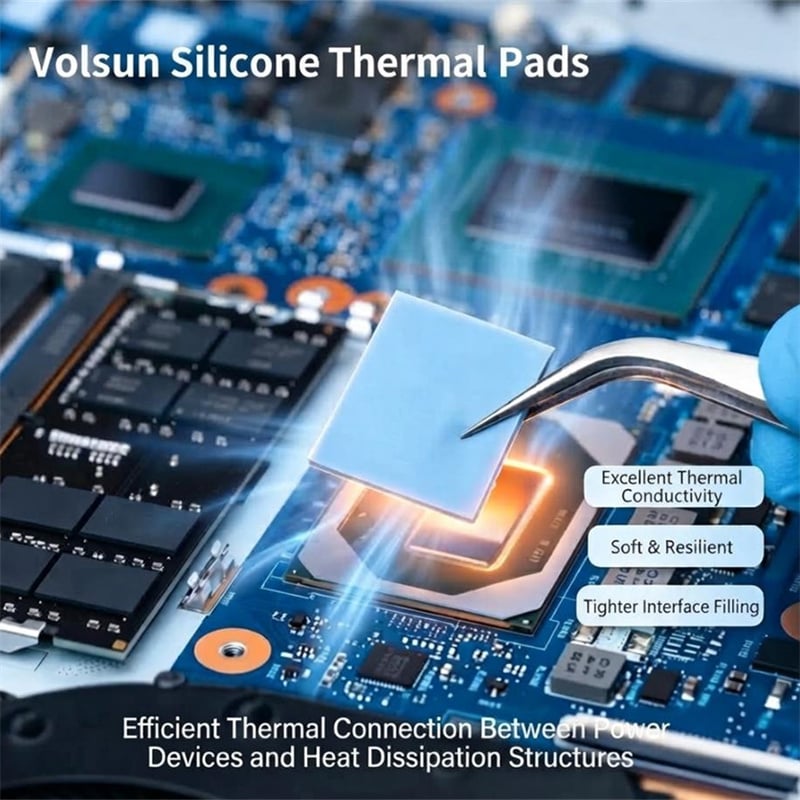
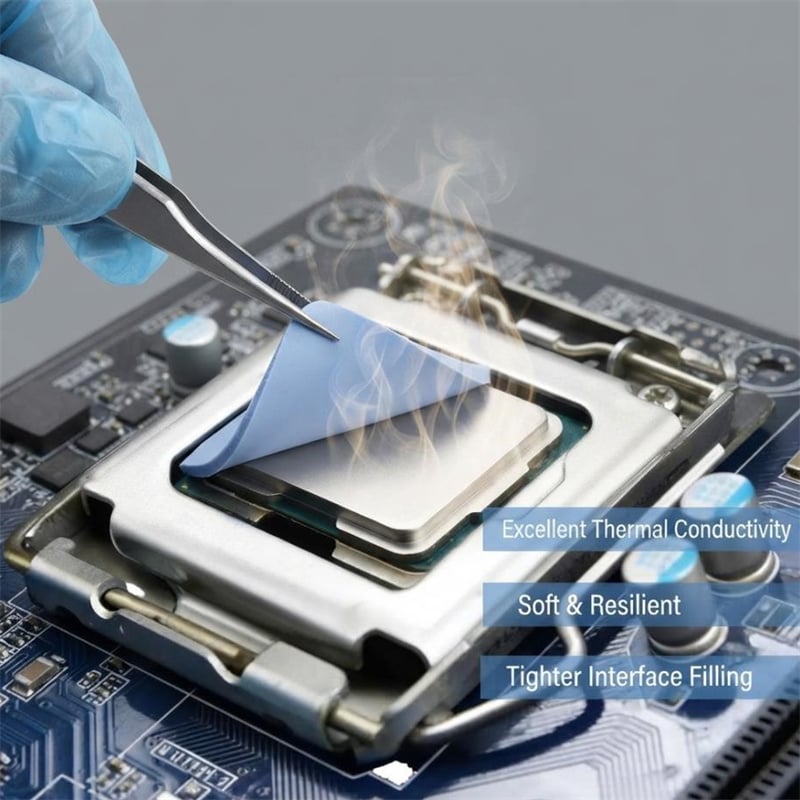
1. Pushing the Limits of Thermal Conductivity
The electronics industry is rapidly moving away from standard, medium-low thermal conductivity materials (2–5W/m.K toward high-end solutions exceeding 8W/m.K, with advanced labs testing up to 12–15W/m.K .
The Volsun Standard: Our core silicone thermal pad series currently provides reliable, customizable thermal conductivity ranging from 1.5 to 6.0 W/m·K.
2. Smarter Fillers and Advanced Materials
Old-school alumina fillers are gradually taking a backseat to next-generation materials like boron nitride (BN) and aluminum nitride (AlN). By introducing carbon-based elements like graphene and carbon nanotubes, manufacturers can build three-dimensional thermal networks. This means better vertical heat transfer without sacrificing the flexibility or easy handling of the pad.
3. More Than Just Heat Transfer: All-in-One Protection
Modern electronic designs demand more from a single component. High-performance pads now serve multiple functions at once:
· Electrical Safety: High breakdown strength and volume resistivity to handle demanding high-voltage environments.
· Extreme Durability: Built to withstand operating temperatures from -40C to 200C, resisting thermal shock and aging.
· Mechanical Cushioning: Excellent compression and resilience protect fragile chips and PCBs from vibration and stress.
· Eco-Compliance: Fully compliant with UL 94 V-0 flame retardancy, alongside RoHS and REACH environmental standards.
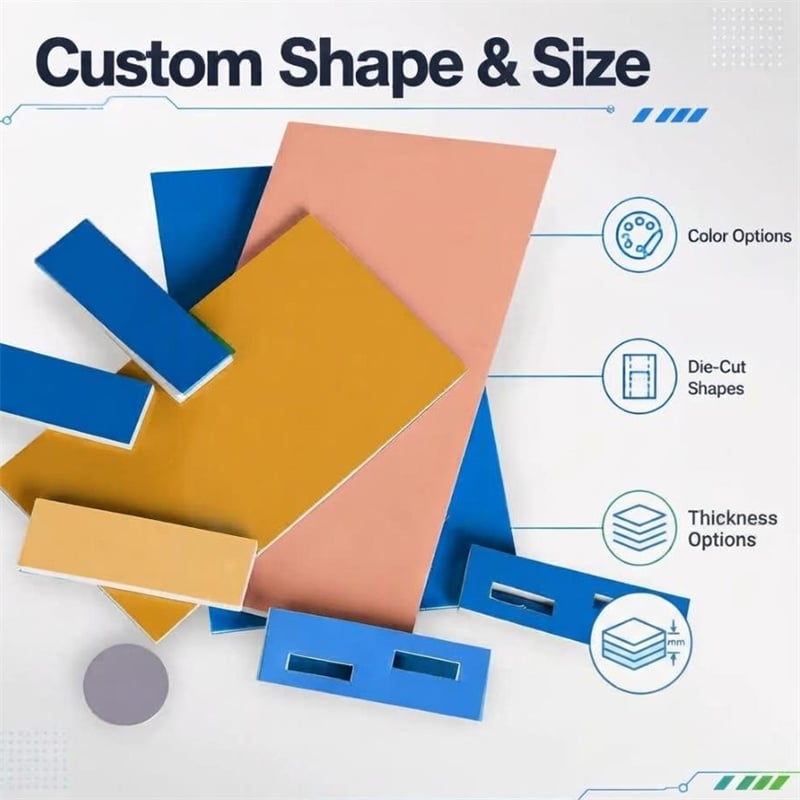
4. Custom Form Factors for Any Design Space
Every device layout is unique. Whether you are dealing with ultra-thin consumer gadgets or heavy-duty industrial systems, flexibility is key:
· Thickness Variety: Volsun offers versatile thickness options ranging from 0.5 to 5.0 mm to bridge varying gaps and tolerances.
· Precision Processing: We support custom die-cutting and special-shaped processing to seamlessly fit right into your automated production lines.
5. Driving Reliability in Key Industries
High-performance thermal pads have quickly become essential across several fast-growing sectors, including AI hardware, New Energy Vehicle (NEV) electric drives, photovoltaic inverters, and industrial power modules. Choosing the right thermal partner isn't just about cooling—it’s about boosting power density, preventing premature failure, and extending the lifespan of your products.
Looking to upgrade your thermal management strategy? Contact the Volsun team today to discuss custom silicone thermal pad solutions or request samples tailored to your specific application.