 EN


Silicone Thermal Pads for EV Battery Thermal Management and Power Electronics Cooling
Why Thermal Management Matters in EVs and Power Electronics
As electric vehicles and power electronics continue to develop, effective thermal management has become increasingly important. Battery cells, power modules, IGBTs, and other electronic components generate heat during operation. Without proper heat dissipation, excessive temperatures can affect component performance, shorten service life, and increase safety risks.
Silicone thermal pads are widely used as thermal interface materials (TIMs) to improve heat transfer between heat-generating components and cooling structures. They fill small gaps and surface irregularities, helping reduce thermal contact resistance while maintaining electrical insulation.
Compared with rigid thermal interface materials, soft silicone pads offer better flexibility and compressibility. This makes them particularly suitable for EV battery systems and power electronics, where vibration, uneven surfaces, and varying assembly gaps need to be considered.
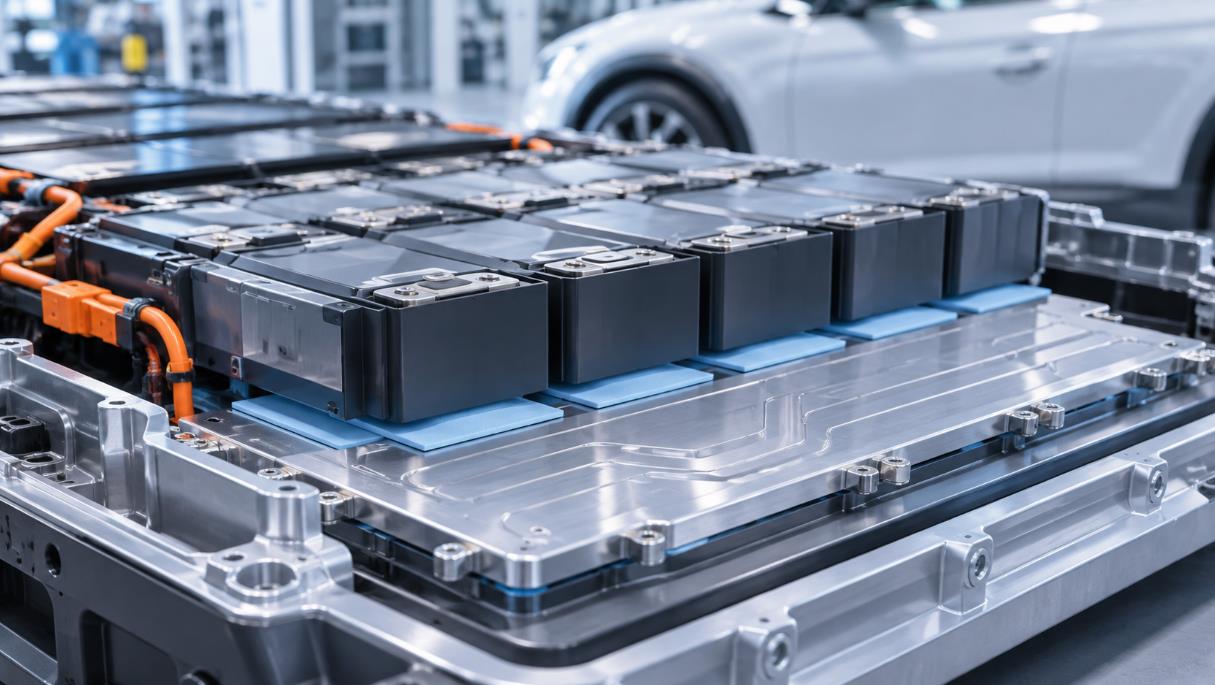
Why Choose Silicone Thermal Pads for EV Applications?
Silicone thermal pads offer several advantages for automotive and industrial power applications:
· Effective Gap Filling: Their flexible structure conforms to uneven surfaces and fills air gaps between battery cells, electronic components, and cooling plates, improving thermal contact.
· Electrical Insulation: They provide electrical insulation while transferring heat, helping isolate electronic components from metal housings and cooling structures.
· Vibration Resistance: Their soft and elastic properties help maintain contact between components under vibration and mechanical movement, making them suitable for automotive environments.
· Easy Assembly and Maintenance: Pre-formed pads are easy to position and install. They require no curing process and allow cleaner assembly and easier replacement during maintenance.
· Flexible Thickness and Design: Different thicknesses, shapes, and material grades can be selected to match specific component layouts and thermal management requirements.
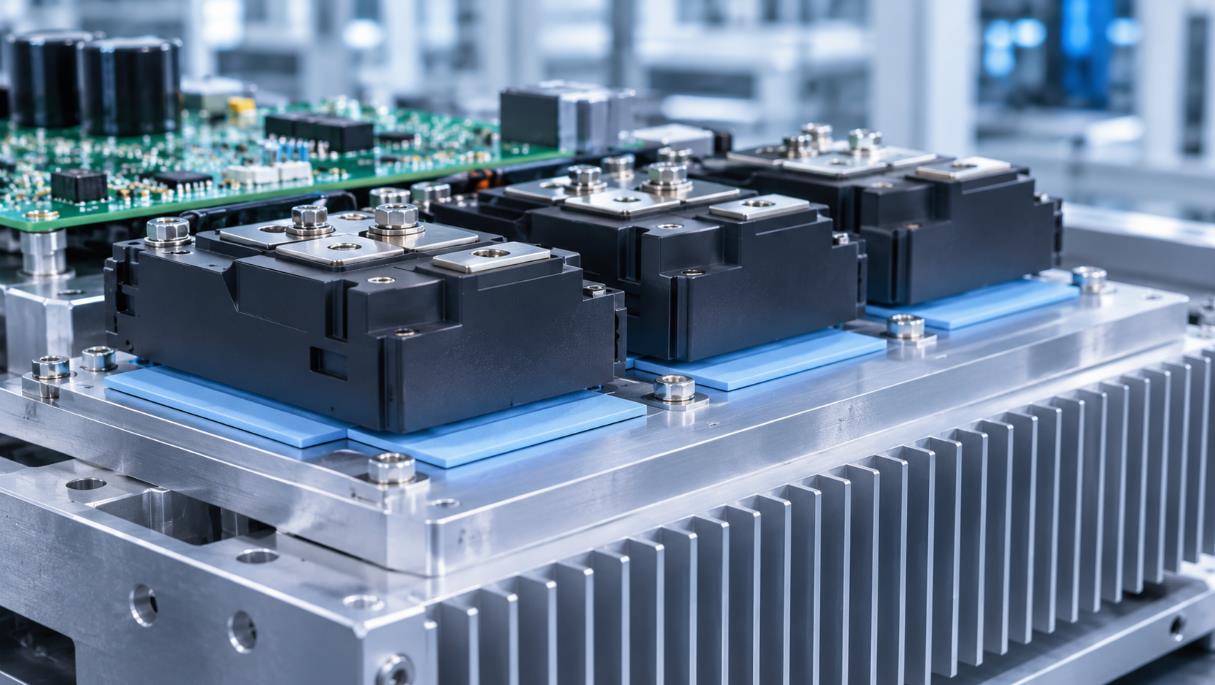
Key Performance Requirements for EV and Power Electronics Cooling
When selecting a silicone thermal pad, engineers should consider several important factors.
Thermal Conductivity: Different electronic components generate different levels of heat. Thermal conductivity should be selected according to the component's heat load and cooling system design.
Operating Temperature: Automotive applications require materials that maintain stable performance across a wide temperature range. Standard VOLSUN silicone thermal pads operate from -40°C to +200°C, while the GP1002-SI grade supports temperatures down to -60°C.
Flame Retardancy: Flame resistance is another important consideration in electrical and automotive applications. VOLSUN silicone thermal pads can meet the V-0 flame retardant rating.
Electrical Insulation: Thermal pads should provide both heat transfer and electrical isolation. VOLSUN thermal pads have a volume resistivity of ≥10¹² Ω·cm.
Typical Applications in EVs and Power Electronics
Silicone thermal pads are used in different parts of electric vehicles and power electronic systems to improve heat transfer and protect sensitive components.
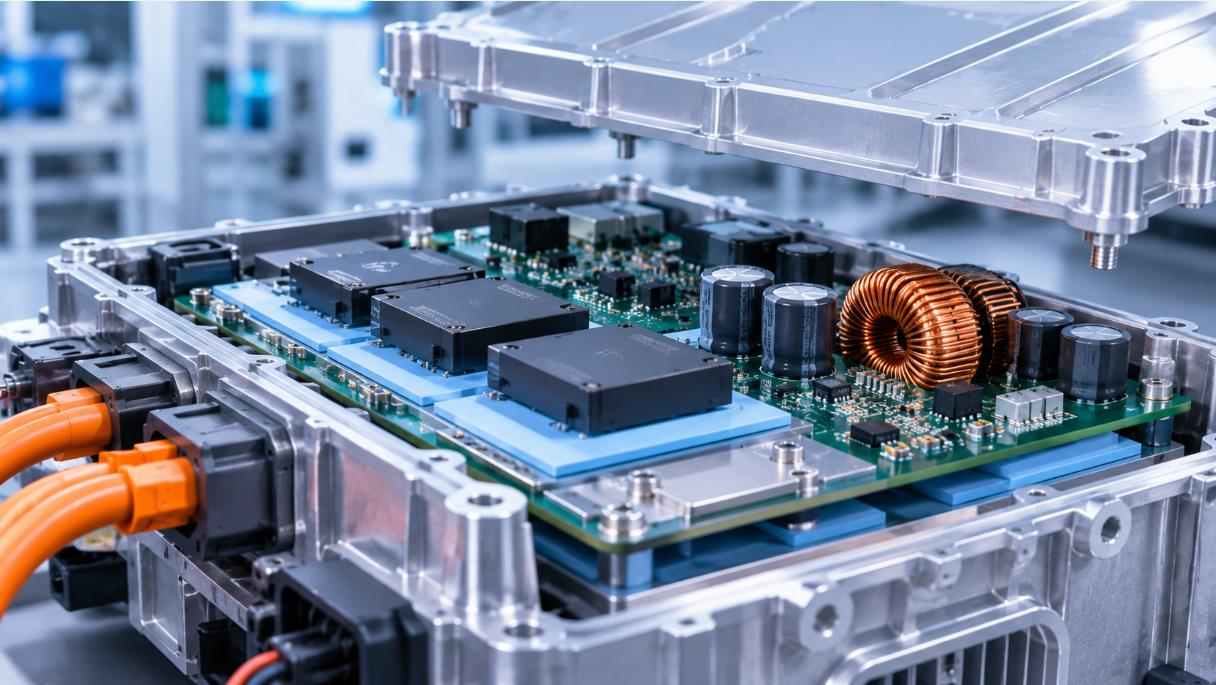
How to Select the Right Thermal Conductivity?
Choosing the right thermal conductivity is essential for balancing heat dissipation, material flexibility, and application requirements.
· 1.5–3.0 W/m·K: Suitable for EV battery packs and general electronic modules where moderate heat dissipation and good flexibility are required.
· 4.0–6.0 W/m·K: Recommended for IGBTs and high-power electronic components that generate more heat. VOLSUN GP4001 and GP6001 are available in these conductivity grades.
· Low-Temperature Applications: For EV systems operating in cold climates or equipment exposed to extremely low temperatures, GP1002-SI offers an ultra-soft solution with a temperature rating down to -60°C and hardness below 10 Shore OO.
For applications involving tight assembly gaps or uneven component surfaces, material softness and compressibility are also important selection factors.
Silicone thermal pads play an important role in EV battery thermal management and power electronics cooling. By combining thermal conductivity, electrical insulation, flexibility, and gap-filling capabilities, they help create reliable thermal interfaces between electronic components and cooling structures.
Contact VOLSUN to discuss your thermal management needs and request samples.