 EN

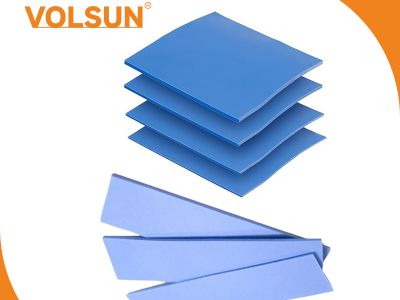
Thermal gel pads are a great way to help electronic devices stay cool. When electronics work hard, they can generate a lot of heat. Excess heat can cause problems, such as reduced performance or even permanent damage. That’s where thermal gel pads come in. They transfer heat away from important components, such as chips and circuits, helping everything run efficiently. Applying thermal gel pads in narrow printed circuit board (PCB) gaps can be challenging, but with the right techniques, it becomes much easier. Volsun specializes in manufacturing high-quality thermal gel pad that fit well in tight spaces, ensuring your electronic devices remain cool and reliable.
What Are the Benefits of Using Thermal Gel Pads in PCB Applications?
Thermal gel pads offer many advantages in PCB applications. First, they provide excellent thermal conductivity, allowing heat to move away from hot components quickly. This is important because excessive heat can damage sensitive electronic parts or reduce their lifespan. For example, if a computer processor overheats, it may slow down or fail completely. Thermal gel pads help prevent this by maintaining lower operating temperatures.
They also fill tiny gaps between surfaces, making them especially useful for narrow PCB spaces. By eliminating air pockets, which are poor conductors of heat, they improve heat transfer efficiency. Another advantage is their soft and flexible structure. Thermal gel pads easily conform to uneven surfaces and tight spaces, creating close contact between components. This helps maximize thermal performance while reducing mechanical stress.
In addition, thermal gel pads adhere well to a wide range of materials, helping them stay securely in place during operation. Unlike some thermal interface materials, they do not dry out or harden over time, making them suitable for long-term use. For companies like Volsun, using premium silicone thermal pad helps improve product reliability and extend the lifespan of electronic devices. They are widely used in computers, smartphones, industrial equipment, automotive electronics, and many other applications where efficient heat management is essential.
How to Choose the Right Thermal Gel Pad for Narrow PCB Gaps?
Selecting the right thermal gel pad for narrow PCB gaps is an important part of achieving effective thermal management. First, consider the pad's thickness. Narrow gaps require thinner pads to ensure proper contact without placing excessive pressure on delicate electronic components.
Next, review the thermal conductivity rating. This value measures how efficiently the pad transfers heat. Generally, a higher thermal conductivity rating provides better cooling performance. For example, a thermal gel pad rated at 5 W/mK transfers heat much more effectively than one rated at 1 W/mK.
The size of the thermal gel pad is equally important. It should fully cover the contact area without extending beyond the edges or leaving sections exposed. Carefully measure the installation area before choosing a pad.
You should also consider the adhesive properties. Some thermal gel pads include light adhesive layers that simplify installation while allowing repositioning if necessary. Others provide stronger adhesion for applications requiring permanent placement.
If you're uncertain which product best suits your project, Volsun's technical experts can recommend the most appropriate thermal gel pad based on your PCB design and operating conditions.
Finally, think about the environment where the electronics will operate. Devices exposed to high temperatures or demanding industrial conditions may require thermal gel pads designed for elevated heat resistance. Choosing the correct product ensures your electronics remain protected and perform reliably.
How to Maximize Heat Transfer with Thermal Gel Pads on PCBs?
Keeping electronic components cool is critical, especially in printed circuit boards with narrow spaces. Proper installation of thermal gel pads greatly improves heat transfer performance.
Begin by thoroughly cleaning the PCB surface. Dust, grease, or residue can reduce contact between the thermal gel pad and the component. Use a lint-free cloth with isopropyl alcohol to clean the installation area before applying the pad.
Next, carefully trim the thermal gel pad to match the required dimensions. A precise fit ensures maximum contact with the heat-generating component while avoiding unnecessary excess material.
When installing the pad, apply even pressure across the entire surface. This removes trapped air bubbles, which can reduce heat transfer efficiency. The pad should sit flat without wrinkles or gaps.
Choosing the correct thermal gel pad is equally important. Volsun offers various thermal gel pads designed for different thermal conductivity requirements, thicknesses, and applications. Selecting the proper product ensures optimal cooling performance for your specific PCB design.
Following these installation practices helps maximize heat transfer, maintain stable operating temperatures, and improve the overall reliability of your electronic devices.
Where to Find Expert Guides on Thermal Gel Pad Installation?
If you want to learn more about proper thermal gel pad installation, many helpful resources are available.
The Volsun website is an excellent starting point, offering product information, technical documentation, and installation recommendations for various thermal management applications.
Online electronics forums are another valuable resource. Experienced engineers and hobbyists often share practical advice, troubleshooting tips, and real-world experiences with thermal pad silicone.
Video tutorials on platforms such as YouTube can also be useful. Watching experts demonstrate installation techniques makes it easier to understand proper application methods and avoid common mistakes.
Technical books covering electronics assembly and thermal management frequently include detailed explanations of thermal interface materials and best installation practices.
Finally, don't hesitate to ask questions within professional communities or industry groups. Learning directly from experienced users can help you improve your installation techniques and achieve better results.
How Proper Thermal Gel Pad Application Improves Product Quality?
Correctly applying thermal gel pads does more than improve cooling—it also enhances the overall quality and reliability of electronic products.
Proper installation ensures consistent thermal contact between components, reducing the risk of overheating and extending component lifespan. Volsun thermal gel pads are designed to provide dependable thermal performance that supports long-term product reliability.
Using the correct amount of thermal gel pad material is important. Too little may leave areas uncovered, while too much can interfere with proper component alignment. Finding the right balance helps maximize heat transfer.
Always verify that the thermal gel pad's temperature rating matches your application's operating conditions. Choosing a pad capable of handling the expected heat load reduces the likelihood of thermal failure over time.
Routine inspections are also recommended. Periodically check thermal gel pads for signs of aging, damage, or displacement. Replacing worn pads when necessary helps maintain consistent cooling performance throughout the product's service life.
By following proper installation and maintenance practices, manufacturers can improve PCB performance, increase product durability, and deliver higher-quality electronic devices. With Volsun's reliable thermal gel pad solutions, effective thermal management becomes an important part of building dependable, long-lasting products.
Table of Contents
- What Are the Benefits of Using Thermal Gel Pads in PCB Applications?
- How to Choose the Right Thermal Gel Pad for Narrow PCB Gaps?
- How to Maximize Heat Transfer with Thermal Gel Pads on PCBs?
- Where to Find Expert Guides on Thermal Gel Pad Installation?
- How Proper Thermal Gel Pad Application Improves Product Quality?