 EN
EN


Silicone Self Fusing Tape vs. PVC Electrical Tape: Which One Should You Choose?
Electrical tape is an essential material for cable insulation and electrical protection. However, not all tapes are designed for the same purpose. Two of the most common options are Silicone Self Fusing Tape and PVC Electrical Tape.
Although they may look similar, their working principles, performance, and applications are quite different.
How They Work
The biggest difference lies in how the tapes create a seal.
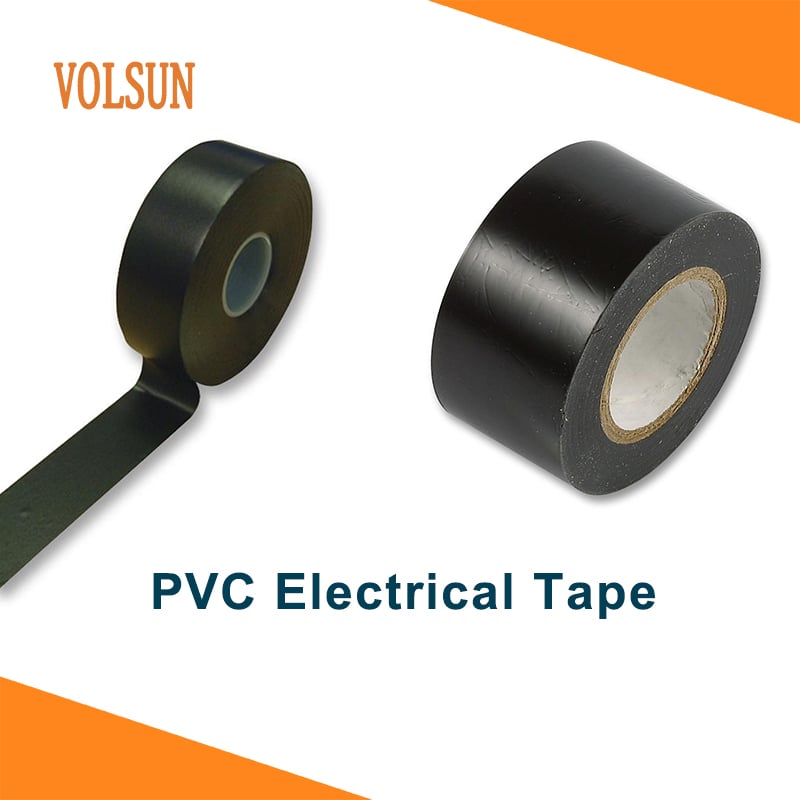
PVC electrical tape uses a pressure-sensitive adhesive to stick to the surface of cables or connectors. Over time, this adhesive may lose its strength, especially when exposed to heat, moisture, or sunlight.
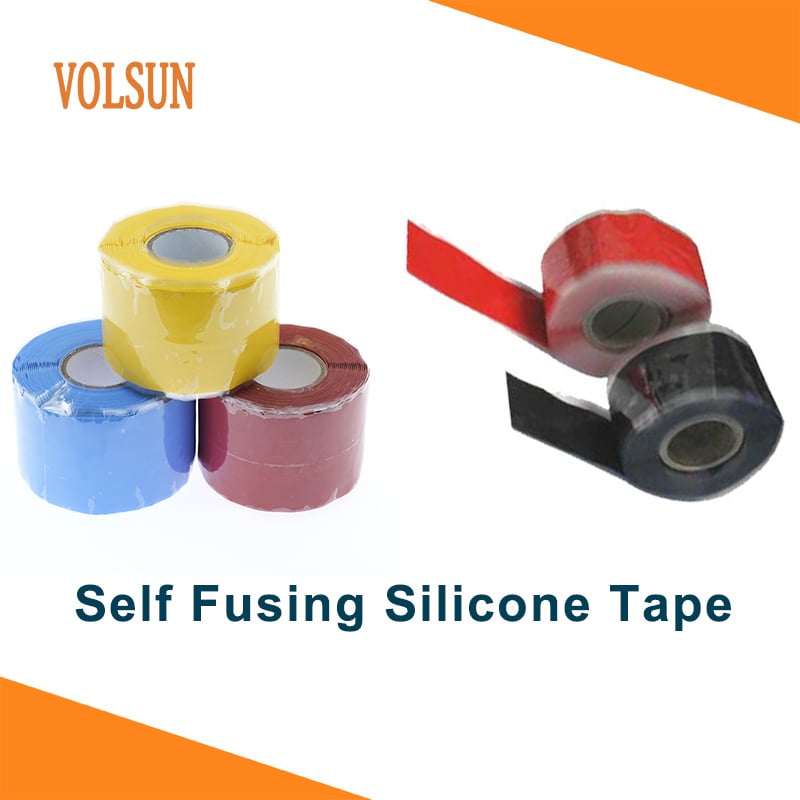
Silicone Self Fusing Tape works differently. It contains no adhesive. Instead, the tape bonds only to itself after being stretched and wrapped, creating a continuous silicone layer around the cable or connector. This self-fusing structure helps form a reliable waterproof and insulating barrier without leaving sticky residue after removal.
Waterproof Performance
For indoor wiring, PVC electrical tape is often sufficient.
However, outdoor installations usually face rain, humidity, dust, and UV exposure. Under these conditions, maintaining a long-lasting waterproof seal becomes much more important.
Silicone Self Fusing Tape is specifically designed to create airtight and waterproof seals for electrical connections, cables, and other equipment. It also provides excellent resistance to UV, ozone, water, oil, and many common chemicals, making it suitable for demanding outdoor environments.
Electrical Insulation
Both tapes can provide electrical insulation, but their intended applications are different.
PVC electrical tape is commonly used for general wire insulation, temporary repairs, and cable identification.
Silicone Self Fusing Tape is designed for applications that require both insulation and environmental sealing. In addition to high dielectric strength, it provides durable protection against moisture and contamination, helping improve the reliability of electrical connections in challenging conditions.
Typical Applications
Choosing the right tape depends on the working environment.
PVC Electrical Tape is commonly used for:
· Indoor electrical wiring
· Wire bundling
· Color coding and identification
· General maintenance
Silicone Self Fusing Tape is better suited for:
· Cable joints
· Outdoor electrical connections
· Communication cable connectors
· Industrial equipment
· Power distribution systems
· Waterproof sealing
· Emergency hose or pipe repairs
Its flexibility also allows it to wrap irregular shapes that may be difficult to seal using conventional tapes.
Which Tape Is Right for Your Project?
There is no single tape that fits every application.
If your project involves indoor electrical work with limited exposure to moisture or sunlight, PVC electrical tape can be a practical and economical choice.
If you need reliable waterproof sealing, electrical insulation, and long-term outdoor protection, Silicone Self Fusing Tape offers clear advantages. Because it fuses into a single protective layer without adhesive, it delivers durable performance while avoiding the sticky residue often associated with conventional tapes.
For projects with additional fire safety requirements, a Flame Retardant Self Fusing Tape meeting UL94 V-0 standards is also available.