 EN
EN


איך לשלוט בהרטבה של חיבורים חשמליים באמצעות סרט דביק עצמאי מסיליקון
חיבורים חשמליים בחוץ מושפעים באופן מתמיד ממטאורולוגיה: גשם, לחות, אבק, קרינה על-סגולית ושינויי טמפרטורה. ללא הגנה מתאימה, מים יכולים לחדור למפרצים או לקונקטורים של כבלים, מה שגורם לתהליך קורוזיה, כשל בבודד, אובדן אות או אפילו עצירת הציוד.
האם אתם עובדים עם כבלי חשמל, מערכות תקשורת, ציוד תעשייתי או התקנות חשמל בחוץ – יצירת איטום עמיד למים הוא קריטי לביצוע טוב לאורך זמן.
אחת הפתרונות הפשוטות והיעילות ביותר היא רצועה אוטומטית מסilikon .
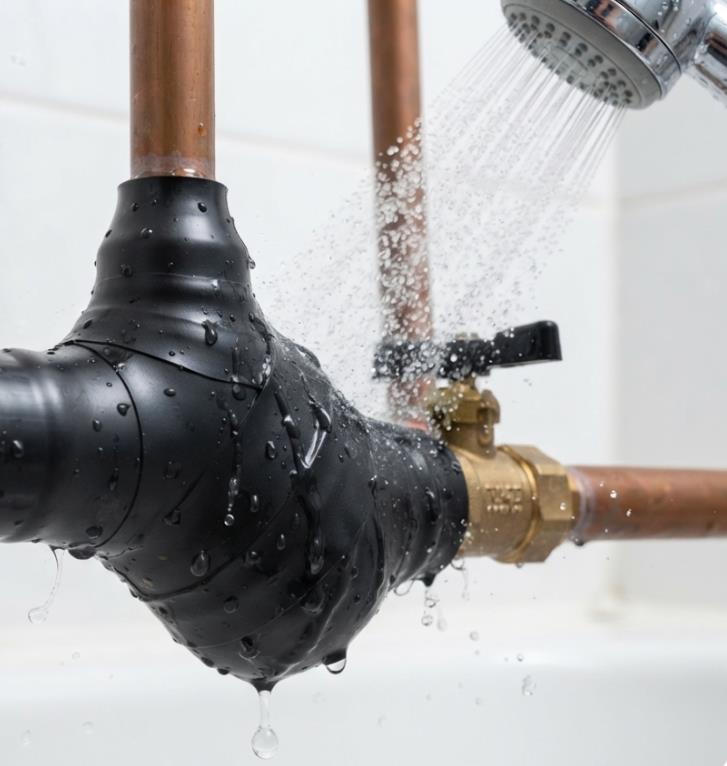
למה חיבורים חשמליים זקוקים להגנה עמידה למים
קונקטורים חשמליים מותקנים לעיתים קרובות בסביבות מאתגרות שבהן מים ומזיקים אחרים יכולים להגיע בקלות למפרצים הפתוחים.
אפילו כמות זעירה של לחות הנכנסת לחיבור יכולה לפגוע בבידוד ולעלות את עלויות התיקון לאורך זמן.
לכן מהנדסים מחפשים לעיתים קרובות חומרים לאיטום שמספקים גם הגנה עמידה למים וגם בידוד חשמלי.
איך פועל סרט סיליקון המתחבר לעצמו
בניגוד לסרט ניילון חשמלי מסורתי, סרט פוזציה עצמית מסיליקון אינו מכיל דבק.
במהלך ההתקנה, הסרט מומתח ומתוֹפֵף סביב החיבור עם חפיפה של כ־50%. שכבות הסיליקון נקשרות זו לזו במהרה ויוצרות כיסוי מגן רציף שמעכב חדירה של מים, אבק ומזיקים אחרים לחיבור.
מכיוון שהסרט נקשר רק לעצמו, לא נותרת שארית דבק על הכבלים או המחברות בעת הסרתו.
מעבר לחסימה נגד מים, הסרט מספק בידוד חשמלי מעולה ועמידות בפני חשיפה ל־UV, אוזון, שמן, חומצות ותנאי מזג אוויר חיצוניים — מה שהופך אותו מתאים לשימוש ממושך בסביבות קשות.
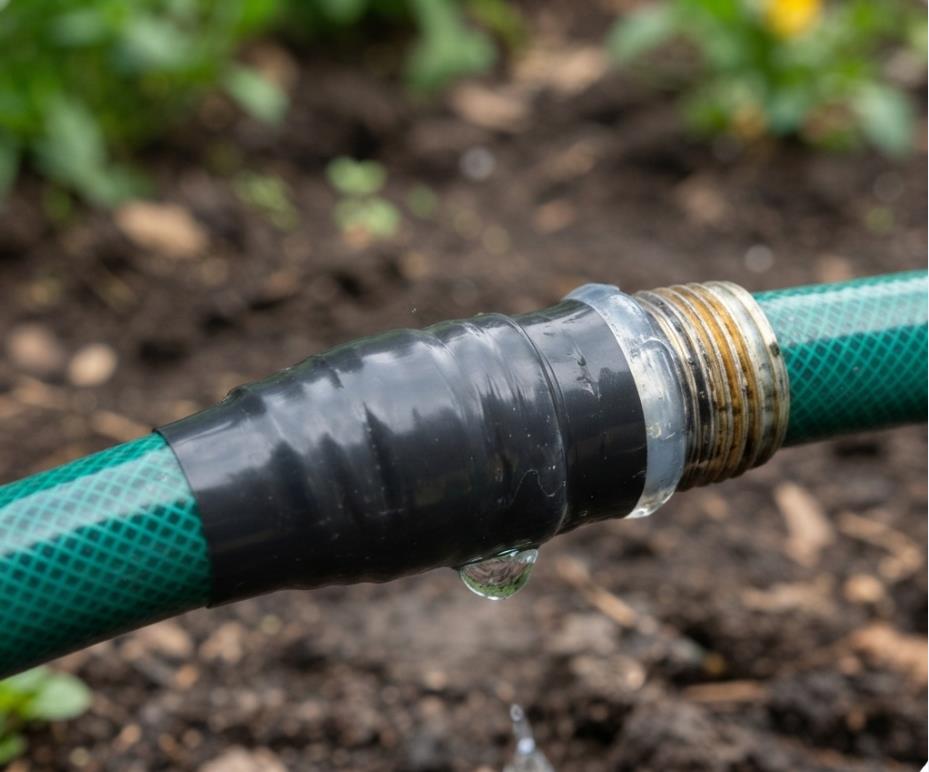
איך ליישם סרט פוזציה עצמית מסיליקון
התקנה נכונה היא קריטית כדי להשיג ביצועי חסימה מהימנים.
תהליך התקנה טיפוסי כולל:
1. נקה את משטח הכבל או המחבר כדי להסיר אבק, לחות ושאריות.
2. הסר את השכבה המגנה לאט לאט במהלך ההתפופה.
3. למשוך את הרצועה באופן אחיד בעת עטיפת החיבור.
4. להצמיד כל שכבת רצועה לשכבה הקודמת ב-50% בערך.
5. להמשיך בעטיפה עד שכל החיבור יוסתר לחלוטין.
בעקבות השלבים הפשוטים הללו נוצר שכבת הגנה אחידה ומשופרת של איטום.
יישומים טיפוסיים לאיטום מים
רצועת סיליקון המתחברת לעצמה בשימוש נרחב בכל מקום שדורש בידוד חשמלי ואיטום סביבתי.
ת Peblications טיפוסיות כוללות:
· חיבורי כבלים חשמליים
· מוצרי חיבור לכבלים תקשורת
· קופסאות חיבורים בחוץ
· הגנה על חבל החוטים
· מנועים תעשייתיים ומערכות בקרה
· ציוד הפצת חשמל
· תיקונים זמניים דחופים בכבלים
הגמישות שלו מאפשרת לו לכסות צורות לא סדירות, מה שמקל על ההתקנה בהשוואה לחומרי איטום קשיחים רבים.
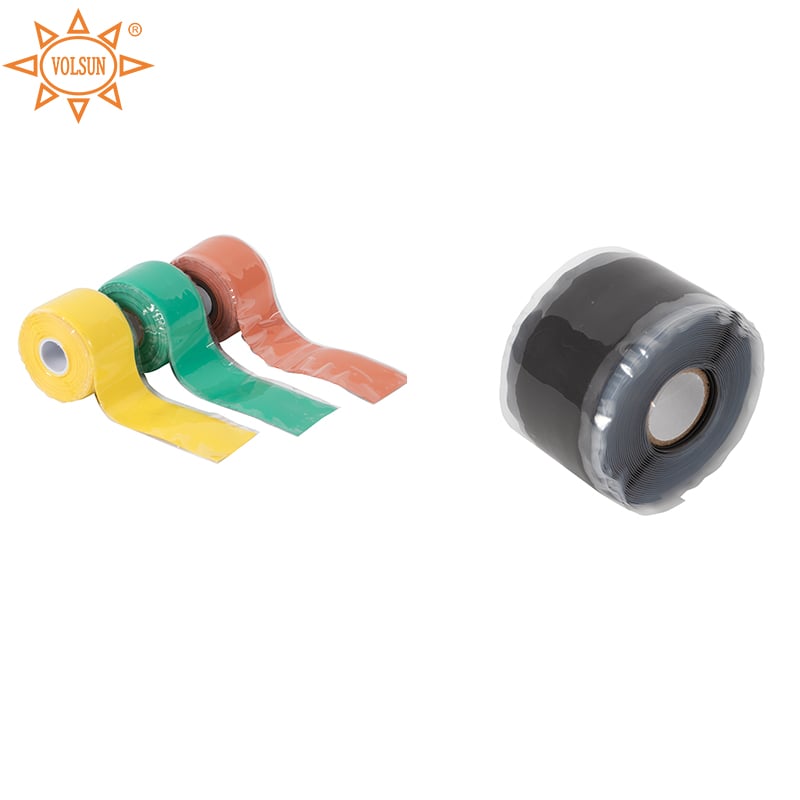
בחירת סרט האיחוד העצמי הנכון
יישומים שונים עשויים לדרוש מאפייני ביצועים שונים.
לבודד חשמלי כללי ולאיטום נגד מים, סרט סטנדרטי סרט איחוד עצמי ללא עמידות להבערה לרוב מספיק.
בפרויקטים שבהם דרישות הבטיחות מפני אש גבוהות יותר, כגון ציוד חשמלי או התקנות תעשייתיות, עמידות להבערה סיכה מתאגדת עכבת להבה עם UL94 V-0 מספקת רמת הגנה נוספת.
בחירת הסרט המתאים בהתאם לסביבת העבודה תורמת לשיפור הבטיחות והאמינות לאורך זמן.
איטום אמין נגד מים הוא חיוני לשמירה על ביצועי מערכות חשמל, במיוחד בסביבות חיצוניות וקשות.
סרט סיליקון מתחבר לעצמו מספק פתרון קל להתקנה שמשלב איטום נגד מים, בידוד חשמלי ותנגדות לסביבה במוצר אחד. בזכות העיצוב המתחבר לעצמו שלו וההסרה ללא שאריות, הוא בשימוש נרחב להגנה על חיבורים של כבלים, מחברים וציוד חשמלי בתחומים תעשייתיים מרובים.