ինչու՞ են քամու տուրբինների գեներատորները փորձում շաֆտի լարում:
Քամու տուրբինների գեներատորները աշխատում են բարձր հզորության և բարձր արագության պայմաններում: Ավելին՝ ժամանակակից համակարգերը օգտագործում են ուժային էլեկտրոնիկա, որը ներմուծում է բարձր հաճախականության լարման բաղադրիչներ: Այս գործոնները միասին նպաստում են շաֆտի վրա էլեկտրական պոտենցիալի կուտակմանը:
ի՞նչ է տեղի ունենում, եթե քամու տուրբիններում չեն վերահսկում շաֆտի հոսանքը:
Եթե շաֆտի հոսանքը չի վերահսկվում ճիշտ, այն կարող է անցնել սայլակների միջով՝ առաջացնելով փոքրիկ էլեկտրական ճայթյուններ: Ժամանակի ընթացքում սա հանգեցնում է մակերևույթի վնասման, քսայուղիի արդյունավետության կորստի և, վերջապես, սայլակների վնասման:
ինչու՞ է սայլակների վնասումը ավելի լուրջ խնդիր քամու էներգետիկայի համակարգերում:
Քամու տուրբինները, ի տարբերություն ստանդարտ արդյունաբերական սարքավորումների, հաճախ տեղադրվում են հեռավոր կամ ծովային վայրերում: Սայլակների սպասարկումը դժվար է և թանկարժեք, այնպես որ նույնիսկ մեկ սայլակի վնասումը կարող է հանգեցնել զգալի անաշխատունակության և վերանորոգման ծախսերի:
4. Կարո՞ղ են մեկուսացված լագերը լուծել առանցքի հոսանքի խնդիրը:
Մեկուսացված լագերը կարող են նվազեցնել հոսանքի հոսքը որոշակի ճանապարհով, սակայն չեն վերացնում արմատային պատճառը: Շատ դեպքերում էլեկտրական էներգիան գտնում է մեկ այլ ճանապարհ, ինչը կարող է հանգեցնել համակարգի այլ մասերի վնասման:
5. Ինչու՞ են ածխային բրուսները անհարմար քամու տուրբինների համար:
Ածխային բրուսները ժամանակի ընթացքում մաշվում են և կարող են արտադրել մասնիկներ: Բարձր արագության կամ քսանյութավորված միջավայրերում կայուն կոնտակտի պահպանումը դժվար է, ինչը նվազեցնում է դրանց արդյունավետությունը:
6. Ինչպե՞ս է աշխատում առանցքի հողավորման օղակը քամու տուրբիններում:
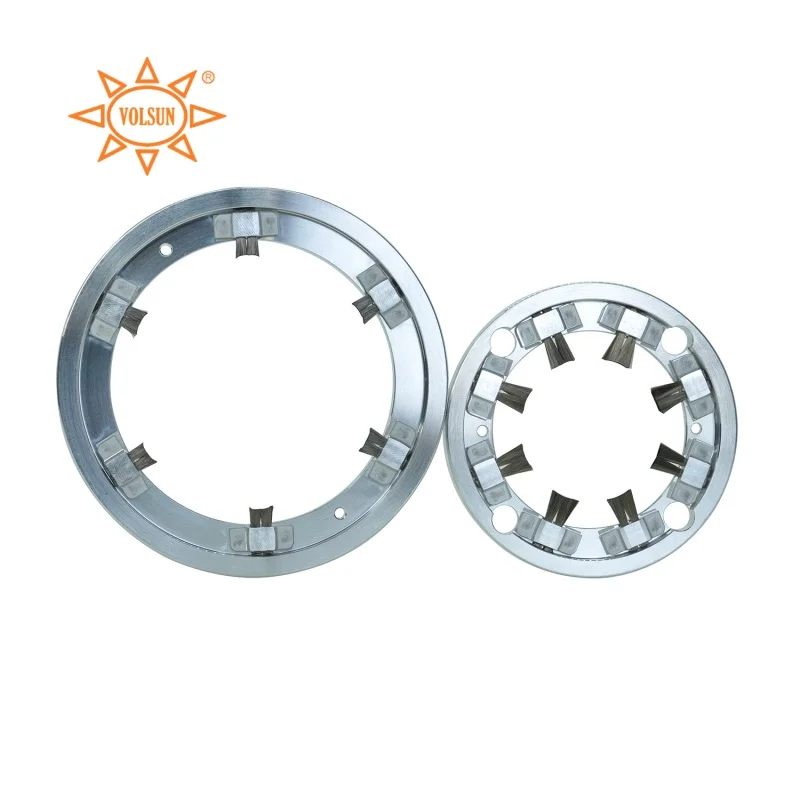
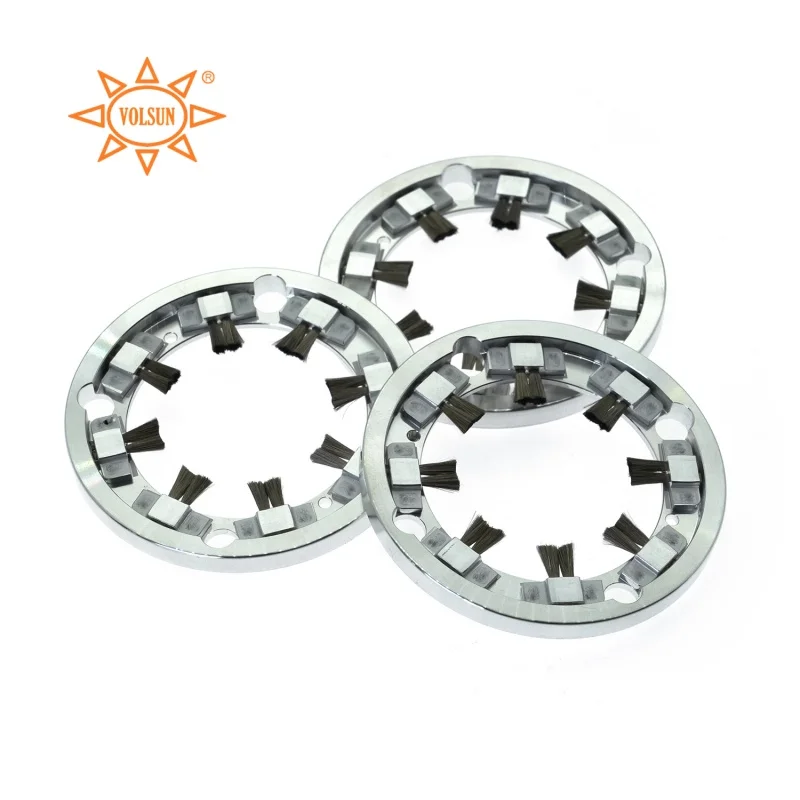
Առանցքի հողավորման օղակը տեղադրվում է լագերի մոտ և օգտագործում է հաղորդական մանրաթելեր՝ ստեղծելու ցածր դիմադրությամբ ճանապարհ: Սա թույլ է տալիս վնասակար առանցքի հոսանքին անվտանգ հողավորվել, փոխարենը այն անցնել լագերի միջով:
7. Որքան է արդյունավետ Volsun-ի լուծումը առանցքի լարման նվազեցման հարցում:
Փորձարկումները ցույց են տալիս, որ հողավորման օղակի տեղադրումից հետո առանցքի լարումը կարող է զգալիորեն նվազել տարբեր շահագործման պայմաններում, ինչը օգնում է կանխել էլեկտրական էրոզիան աղբյուրում:
8. Կարո՞ղ է առանցքի հողավորման օղակը աշխատել յուղային շահագործման պայմաններում գտնվող քամու տուրբինների համակարգերում:
Այո: Volsun-ը իր հաղորդական մանրաթելերը նախագծել է այնպես, որ դրանք պահպանեն կայուն շփում նաև յուղային միջավայրում, ինչը կարևոր է քամու տուրբինների կիրառման համար:
9. Ինչքա՞ն ժամանակ է ծառայում առանցքի հողավորման օղակը քամու էներգետիկայի կիրառման մեջ:
Այս արտադրանքը նախագծված է այնպես, որ համապատասխանի շարժիչի ծառայության ժամկետին: Սովորական պայմաններում այն կարող է աշխատել հուսալիորեն տարիներ շարունակ՝ առանց հաճախակի սպասարկման անհրաժեշտության:
10. Որտե՞ղ պետք է տեղադրել առանցքի հողավորման օղակը:
Լավագույն արդյունքների համար խորհուրդ է տրվում հողավորման օղակը տեղադրել սայլակին հնարավորին չափ մոտ: Դա ապահովում է հոսանքի վարման ամենակարճ և ամենաարդյունավետ ճանապարհը:
 Հայտնի հարցեր և պատասխաններ
2026-08-14
2026-07-24
2026-06-12
2026-06-05
2026-06-01
2026-05-22

/Instruction գրանցվել Volsun-ին, մասնավոր համարձակության պաշտպանության արտադրանքների արտադրամասն! Մы IP68 ցուցչային սովորական խորանարդ, գլասֆիբր գլուխ, ջերմասեր սովորական խորանարդ և սիլիկոնային ջերմափոխանցիչ արտադրանքներ է առաջարկում:
No.402, Mudong Road, Wuzhong District, Suzhou, Jiangsu 215101
Copyright © Suzhou Volsun Electronics Technology Co., Ltd All Rights Reserved.
 EN
EN