 EN


Thermal Management Materials for EVs, Energy Storage, and Industrial Power Systems
As electronic systems become more compact and powerful, effective thermal management has become increasingly important across the energy and industrial sectors. Electric vehicles, energy storage systems, industrial motors, and renewable energy equipment all rely on power electronics that generate heat during operation. Without an appropriate thermal management strategy, excessive heat and poor heat transfer can affect component performance and long-term equipment reliability.
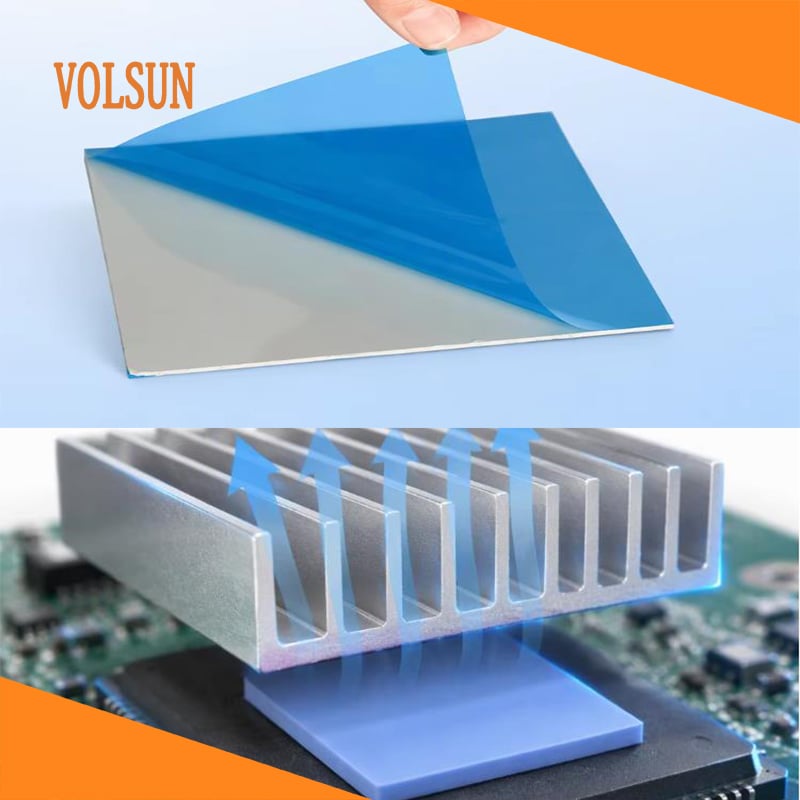
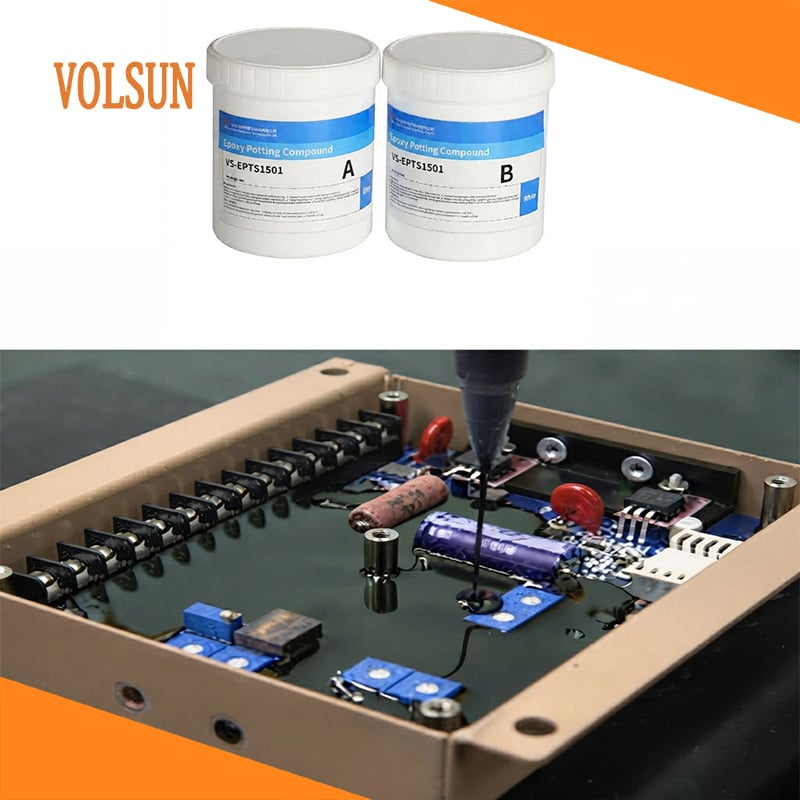
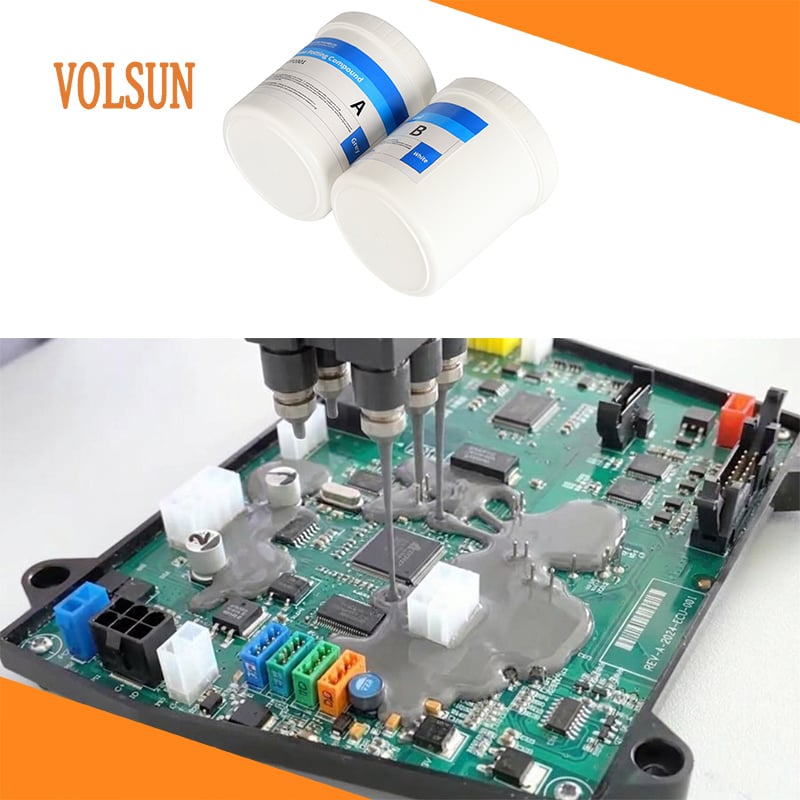
VOLSUN provides a range of thermally conductive materials designed to support the thermal management needs of electronic and electrical assemblies, including thermal pads, thermal potting compounds, thermal gels, and thermal adhesives. These materials help equipment manufacturers address heat transfer, interface gap filling, electrical insulation, and component protection requirements across different applications.
Thermal Management Challenges in Power Electronics
Power electronic components such as insulated-gate bipolar transistors (IGBTs), power modules, converters, and motor controllers generate heat as they operate. However, small gaps between components and heat sinks can introduce additional thermal resistance, limiting the efficiency of heat transfer.
Thermally conductive materials help fill these gaps and establish more effective heat transfer paths between heat-generating components and cooling structures. Depending on the material and application, they can also provide electrical insulation, mechanical cushioning, bonding, or encapsulation.
Selecting the right material requires consideration of the component structure, interface gap, operating temperature, mechanical stress, and insulation requirements. A suitable thermal management solution should address these factors as part of the overall equipment design.
Key Industry Applications
1. New Energy Vehicles and Electric Mobility
Electric vehicles incorporate numerous electronic systems that require effective heat management, including battery packs, motor controllers, onboard chargers, DC/DC converters, and other power conversion modules.
Thermally conductive materials can help transfer heat from electronic components to designated cooling structures. They can also accommodate interface gaps and, where required, provide electrical insulation or mechanical cushioning.
In high-voltage automotive electronics, material selection must account for the actual operating environment, assembly design, and electrical safety requirements. The appropriate combination of thermal conductivity, compressibility, and mechanical properties can help manufacturers develop more reliable electronic assemblies.
2. EV Charging Infrastructure and Energy Storage
Charging stations and battery energy storage systems contain power conversion units, charging modules, inverters, and control electronics. These components must manage heat while operating under varying electrical loads and environmental conditions.
Thermal interface materials can improve contact between power components and heat sinks, while thermally conductive potting materials may be used in suitable assemblies for heat transfer, encapsulation, and additional protection.
For these applications, thermal management materials should be selected according to the module design, heat dissipation requirements, and environmental exposure. Proper material integration supports equipment performance and helps address the demands of continuous operation.
3. Industrial Motors and Drive Systems
Industrial motors, variable frequency drives (VFDs), servo drives, and motor controllers are widely used in manufacturing equipment, pumps, and automated production systems.
Power modules and control electronics inside these systems generate heat during operation. Thermal pads and gels can help manage heat transfer across component interfaces, while suitable potting or adhesive materials can support the protection and fixation of selected electronic assemblies.
In applications involving continuous operation or mechanical vibration, material properties such as compressibility, flexibility, and temperature resistance should also be considered alongside thermal conductivity.
4. Solar and Wind Power Systems
Solar inverters, wind power converters, and related power electronics are essential to renewable energy generation. These systems convert electrical energy and manage power flow, creating thermal loads within power modules and electronic control assemblies.
Thermally conductive materials help facilitate heat transfer between power components and cooling structures. Depending on the design, selected potting materials may also support moisture protection and component stabilization.
As renewable energy equipment operates in diverse environments, manufacturers need to evaluate thermal performance together with insulation, aging resistance, and environmental compatibility.
Choosing the Right Thermal Management Material
Different applications require different combinations of thermal and mechanical properties. Important selection factors include thermal conductivity, interface thickness, compressibility, operating temperature, electrical insulation requirements, and compatibility with adjacent materials.
VOLSUN offers thermal pads, thermal potting compounds, thermal gels, and thermal adhesives to address a range of application requirements. Material selection can be discussed according to the component structure, assembly process, and intended operating conditions.
VOLSUN: Supporting Reliable Thermal Management
From electric vehicles and energy storage to industrial drive systems and renewable energy equipment, thermal management plays an important role in modern power electronics.
VOLSUN works with customers to explore suitable thermal management materials for different electronic and electrical assemblies. Through application-focused material selection and customization discussions, we help customers identify options that align with their design requirements.
Looking for thermal management materials for power electronics or energy applications? Contact VOLSUN to discuss your application and material requirements.