 EN
EN


Silicone Rubber Fiberglass Sleeve: How Its Double-Layer Structure Provides Dual Protection
A silicone rubber fiberglass sleeve may look like a simple tube, but its internal structure plays an important role in electrical insulation and mechanical protection. In demanding applications such as new energy vehicles, rail transit, and high-voltage electrical systems, a sleeve needs to do more than cover wires—it must withstand heat, bending, vibration, and electrical stress.
The key lies in its double-layer composite structure: an alkali-free fiberglass braided layer provides mechanical strength, while the outer silicone rubber layer delivers flexible electrical insulation. Together, these two materials create a reliable electrical insulation sleeve designed for demanding operating conditions.
Alkali-Free Fiberglass: The Strong Mechanical Skeleton
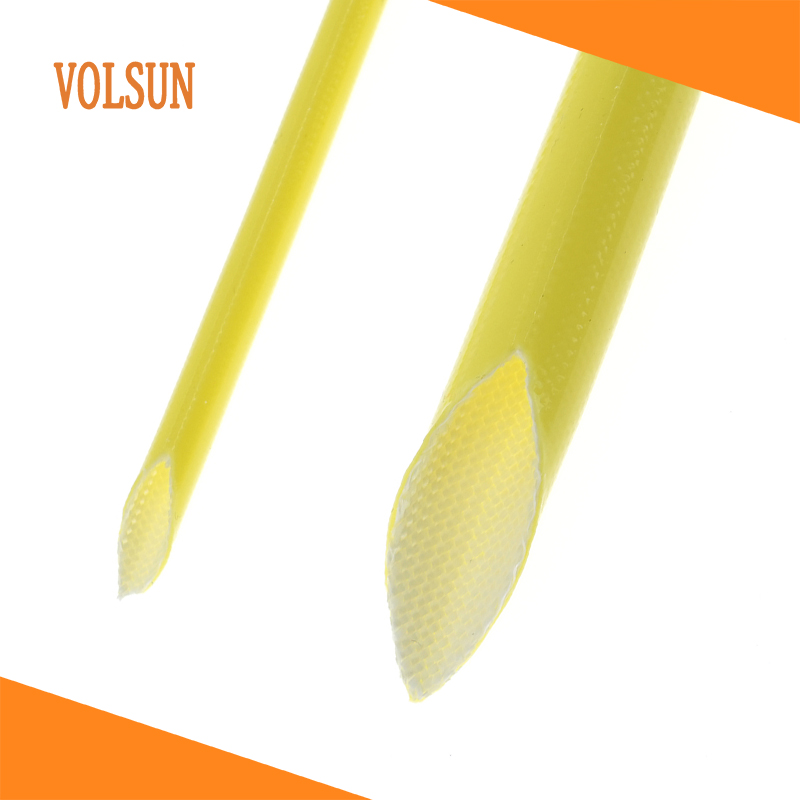
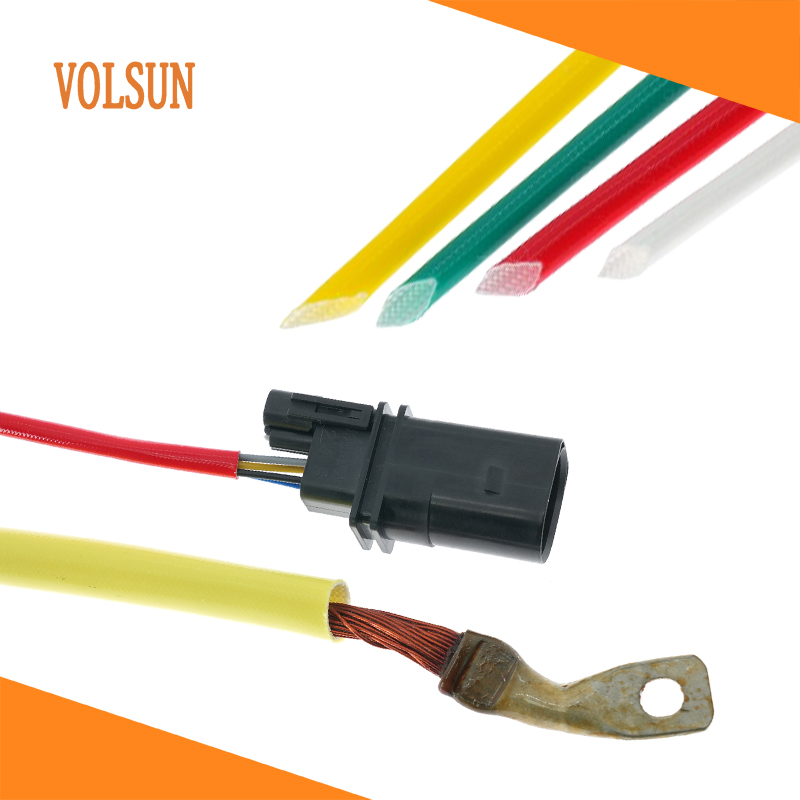
The inner layer of a silicone fiberglass sleeving is typically made from alkali-free fiberglass yarn braided into a tubular structure. This fiberglass braided sleeve acts as the mechanical support layer.
Fiberglass is known for its high tensile strength, helping the sleeve withstand pulling, bending, and handling during installation without easily breaking. It also has good dielectric properties, adding another level of insulation protection.
This mechanical foundation directly contributes to the sleeve's tear resistance. For example, the NS-GF200RUB-D series achieves a measured tear strength of 50 N/mm for sizes above Φ4.0 mm.
For applications where wiring is exposed to vibration, movement, or mechanical stress, this combination of strength and flexibility can provide more reliable long-term protection than a single-material sleeve.
Silicone Rubber: The Flexible Insulation Armor
The outer layer is made from silicone rubber, which forms a continuous protective coating around the fiberglass braid.
Silicone rubber provides excellent electrical insulation properties. According to the supplied product data, the insulation layer can achieve a breakdown voltage of 7000 V or more, making this type of sleeve suitable for demanding electrical insulation applications.
Temperature resistance is another important advantage. The sleeve is designed to operate from -40°C to 200°C. During testing, it showed no cracking after 4 hours of cold bending at -40°C and no melting or deformation at 200°C.
At the same time, silicone rubber remains flexible, allowing the silicone rubber coated fiberglass sleeve to bend along complex wiring routes. This makes it particularly useful where cables and wires need to pass through compact or irregular spaces.
Double-Layer Structure: Why 1 + 1 Can Be Greater Than 2
The real advantage of this design comes from the interaction between the two layers.
The fiberglass braided layer provides mechanical strength, while the silicone rubber coating provides electrical insulation and environmental protection. Rather than relying on one material to perform every function, each layer is optimized for a different requirement.
This creates several complementary benefits:
· Fiberglass provides tensile strength, tear resistance, and mechanical support.
· Silicone rubber provides flexible electrical insulation.
· The silicone coating encapsulates the fiberglass, helping protect the inner braid from moisture and aging.
· The flexible outer layer allows the sleeve to follow complex cable and harness paths.
Even if the outer silicone rubber layer is accidentally damaged, the fiberglass layer can still provide a certain degree of insulation protection. This layered approach contributes to the overall reliability of the double-layer insulation sleeve.
Why Choose a Silicone Rubber Fiberglass Sleeve?
When selecting an electrical insulation sleeve, engineers often need to balance several requirements at the same time: electrical insulation, mechanical strength, temperature resistance, and installation flexibility.
A silicone rubber fiberglass sleeve addresses these requirements through its composite construction rather than relying on a single material.
A silicone rubber fiberglass sleeve may have a simple appearance, but its performance comes from the combination of material selection, braided construction, and silicone rubber coating technology.
The fiberglass layer provides the strength. The silicone rubber layer provides flexible insulation. Together, they create a protective system capable of handling the complex requirements of high-voltage, high-temperature, and vibration-prone environments.