EN
EN


Conas a Chuireann Fáinneanna Talamh na Sreangachta Cúl le Mí-úsáid na mBearinganna i gCoimhthíreoirí Turbíní Gaoithe
Foghlaim conas a laghdaíonn fáinneanna leagtha ar an sreangán damáiste ar bhreithní trí chur isteach go sábháilte ar chuirrteanna an tsreangáin, ag feabhsú na hinmaine agus ag laghdú costais an t-ullmhúcháin.
1. Cén fáth a bhfuil riosca leictreacha níos airde ag turasóirí gaoithe
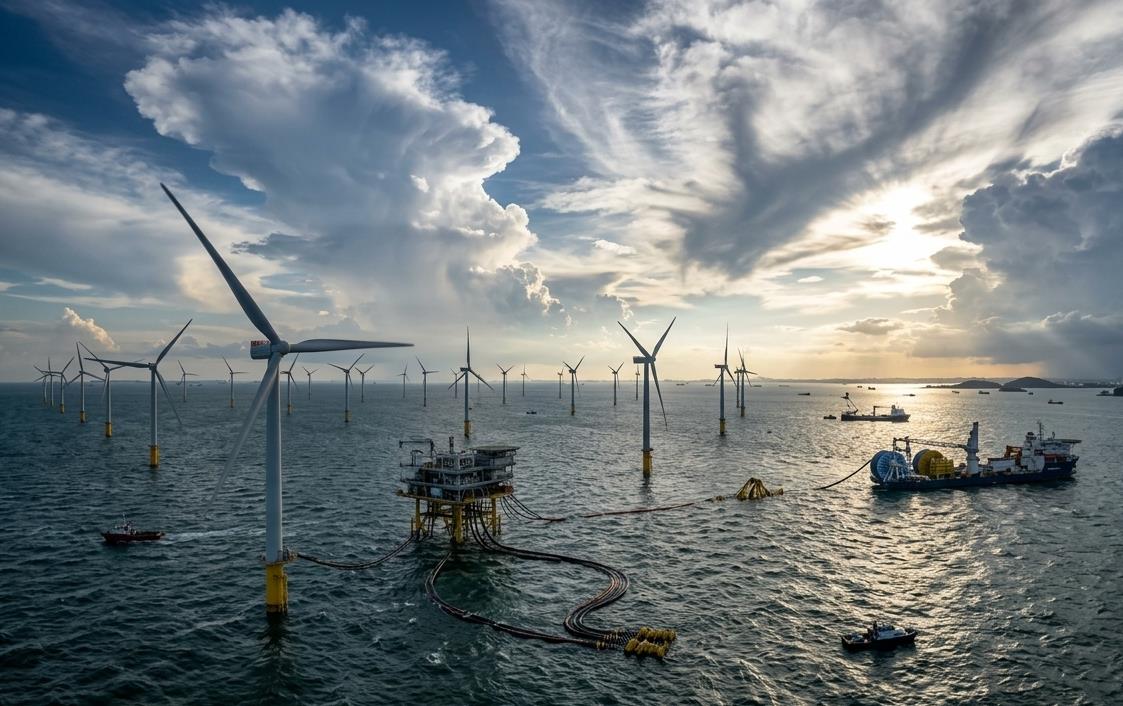
Tá córais cumhacht gaoithe deartha chun oibriú i dtreo thánaí, i dtreo leanúnach faoi choinníollacha dochartha. Is minic a úsáideann ginearáirí turasóirí gaoithe nua-aimseartha cumhacht ard, luas ard, agus go minic leictreonics cumhachta casta.
Tá na gnéithe seo ag méadú go mór ar an bprobabhtíocht le haghaidh cruachaithe voltáis an tsreangáin agus cuirrteanna súdúla , go háirithe mar a théann córais leictreacha i dtreo minicíocht airde agus díon cumhachta airde.
I dturasóirí gaoithe móra, fiú an t-ábhar leictreach beag is féidir leis cumascadh agus riosca trom a chruthú le himeacht ama.
2. An fhadhb dhofhaighte: Cuirrteanna an tsreangáin agus damáiste ar bhreithní
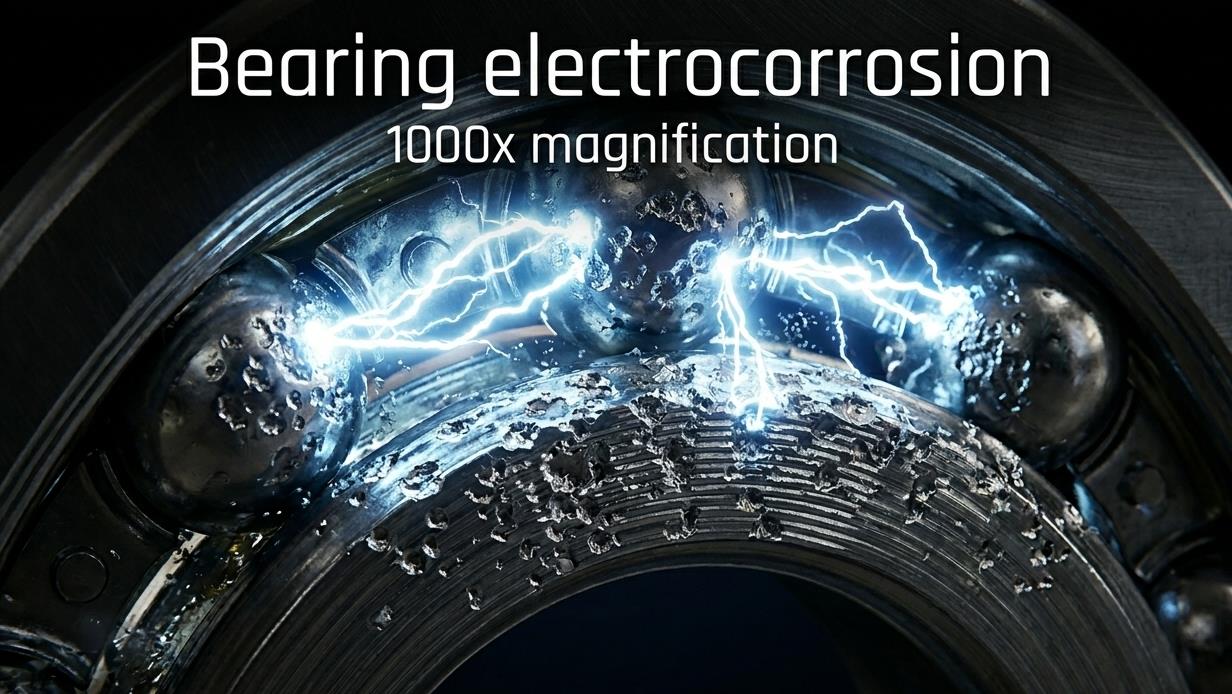
Is féidir le haghaidh voltáis ar an sreangán i gcothruanna fuaime a thagann ó roinnt fhoinseanna laistigh den chóras. I measc na bhfoinseanna seo tá an t-athrú ard-mhinicíochta ó thiontaitheoirí cumhachta, an asaméadracht leictreamaighnéadach, agus na heifeachtaí ceapachtaí laistigh den mhothar.
· Díghoileáil leictreach tríd na mbearinganna
· Piteáil agus fuilteáil ar an uachtar
· Briseadh sa lúbriú
· Méadú ar an gcrith agus ar an gcnag
Le himeacht ama, cruinníonn na heifeachtaí seo agus laghdaíonn siad go mór an t-am beatha na mbearinganna.
3. Cén fáth a bhfuil theip ar bhearinganna mar phointe imní mór i bhfuinneamh an aeir
In aice le hairm thuaschláir chaighdeánach, is minic a shuitear cothruanna fuaime i suíomhanna fógaracha nó i dtuaisceart na farraige ina bhfuil an rochtain ar úsáid an t-úsáideora teoranta. Níl theip ar aon bearing amháin ach fhadhb comhpháirteach amháin—is féidir leis sin leadáin fhadhbanna fadtéarmach, répairí casta, agus costais seirbhíse airde. Go háirithe i mbunachairí fuinnimh na farraige, is féidir le costas an úsáideora a bheith níos airde ná costas an chomhpháirt féin, rud a dhéanann an t-iomláine mar thoradh ar an tosaíocht.
4. Cén fáth nach bhfuil na réitigh traidisiúnta le leithéid seo le feiceáil
Tugann roinnt córas i mbun réiteach ar chur i bhfeidhm an tsíneáin le húsáid insilte nó modhanna traidisiúnta talamhú. Mar sin féin:
· Ní chuireann coisíní insilte an t-énergi leictreach i mbun
· Díolann brúsháin charbón go tapa agus tá tiomantas riachtanach acu
· Laghdaíonn timpeallachtaí le ola an stád a choinneáil
Déanann na teorainneacha seo sé dochar le cinntiú éifeachtachta fadtéarmach.
5. Réiteach Volsun: Slí staible do dhíscargáil an tsíneáin
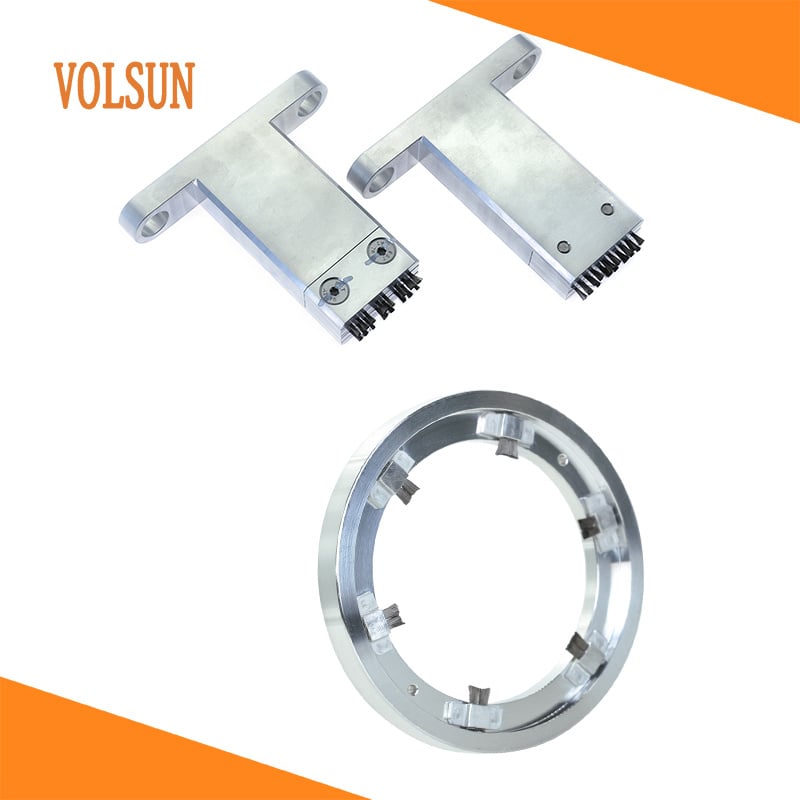
Tugann an fhoirgneamh leictreachais ar an gcearnóg ó Volsun réiteach níos sláintiúla trí chúis an fhadhbáin a réiteach go díreach. In áit iarracht leictreachas a bhlocáil, cruthaíonn sé cosán rialaithe, íseal-fhreastail a athshuíomhann leictreachas an chearnóig go sábháilte far amach ón mbearing. Nuair a shuiteáiltear é gar don áit a bhfuil an bearing, cinntíonn sé go dtarlaíonn an díghoileáil leictreacha mearbhaileach trí chosán deartha in áit trí chomphoirt íogair. Le frithsheasmhacht shuighimh faoi 1Ω agus le frithsheasmhacht theagmhála dheinimh a chaomhnófar laistigh de 10Ω thar a shaol, soláthraíonn an córas feidhmíocht shábháilte fiú faoi choinníollacha oibriúcháin athraitheacha.
6. Torthaí na hÚsáide: Measaíodh an t-éifeachtúlacht agus laghdóidh na costais
Trí chur na bhfáinní talamhúcháin ar an sreang isteach i gcórais turasgaoithe gaoithe, is féidir le hoibríodóirí an riosc de theachtaireachtaí neamhshuntais ar bhearnaí a laghdú go mór. Tugann sé seo le haghaidh tréimhsí níos faide idir threoshuíomhanna, níos lú de threoshuíomhanna éigeandála, agus cícle oibriú níos réadmhaire. Ar feadh ama, aistriúnnar na feabhsuithe seo go dtí costais iomlána ísle agus fáilire níos airde ar an gcóras, a bhfuil siad thar a bheith tábhachtach chun an t-athbhuailt ar an mbuachaill a mhéadú do thionscadail fuinnimh gaoithe.
Mar a fheidhmíonn teicneolaíocht chumhacht gaoithe go dtí an am atá le teacht, tá sé ag dul ina chúis níos tábhachtaí ná roimhe seo riosca leictreacha a bheith faoi smacht laistigh de ghnóthríocha. Imíonn réiteach talamhúcháin oiriúnach páirt lárnach i dhaingniú feidhmiú fadtéarmach agus stádaithe an chórais.
Teagmháil le Volsun chun réiteach saincheaptha ar fáinní talamhúcháin sreang do do mhoitir i dtíortha éagsúla.