EN
EN


From Material Innovation to Industrial Applications: Suzhou University of Science and Technology Visits VOLSUN
On September 10, a delegation from Suzhou University of Science and Technology (SUST) visited VOLSUN for an in-depth exchange on material innovation, technology development, and industry-academia-research collaboration.
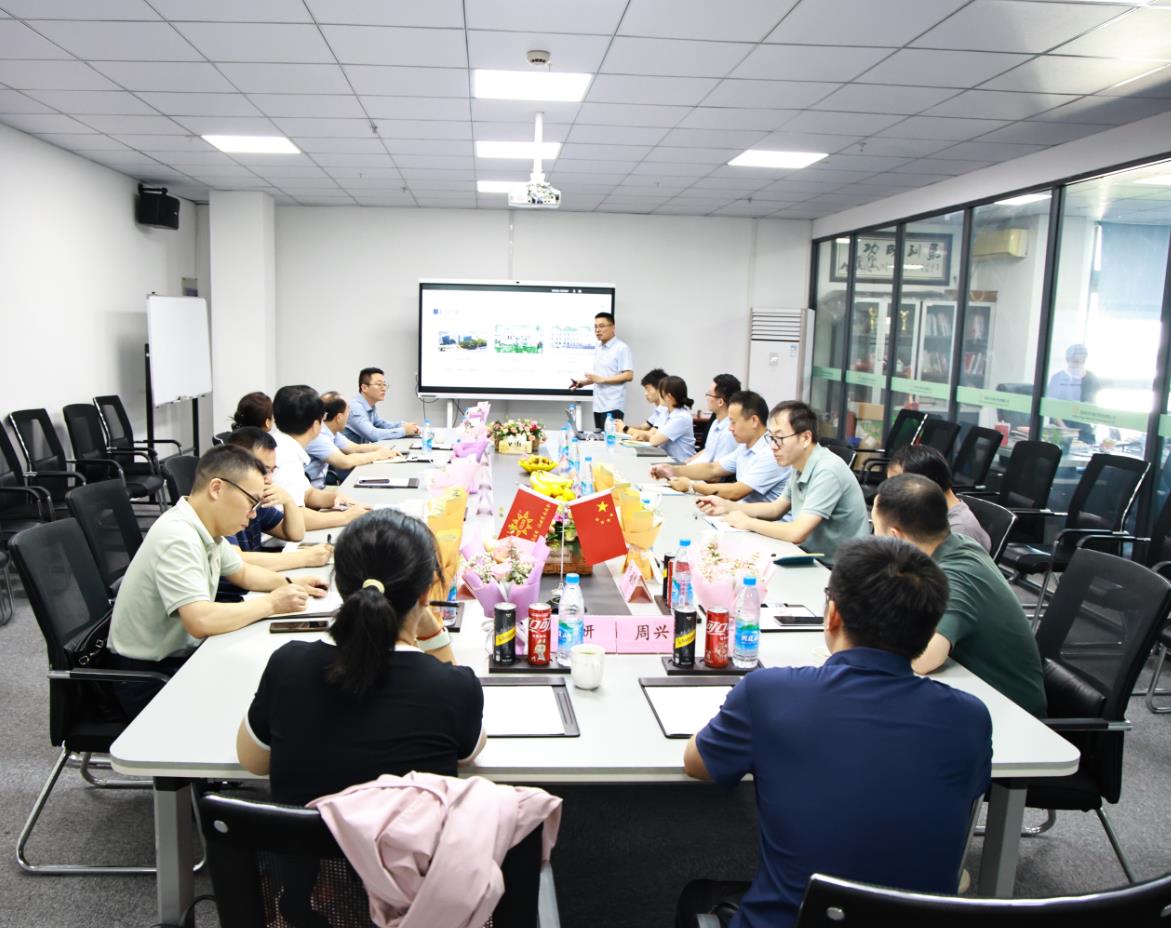
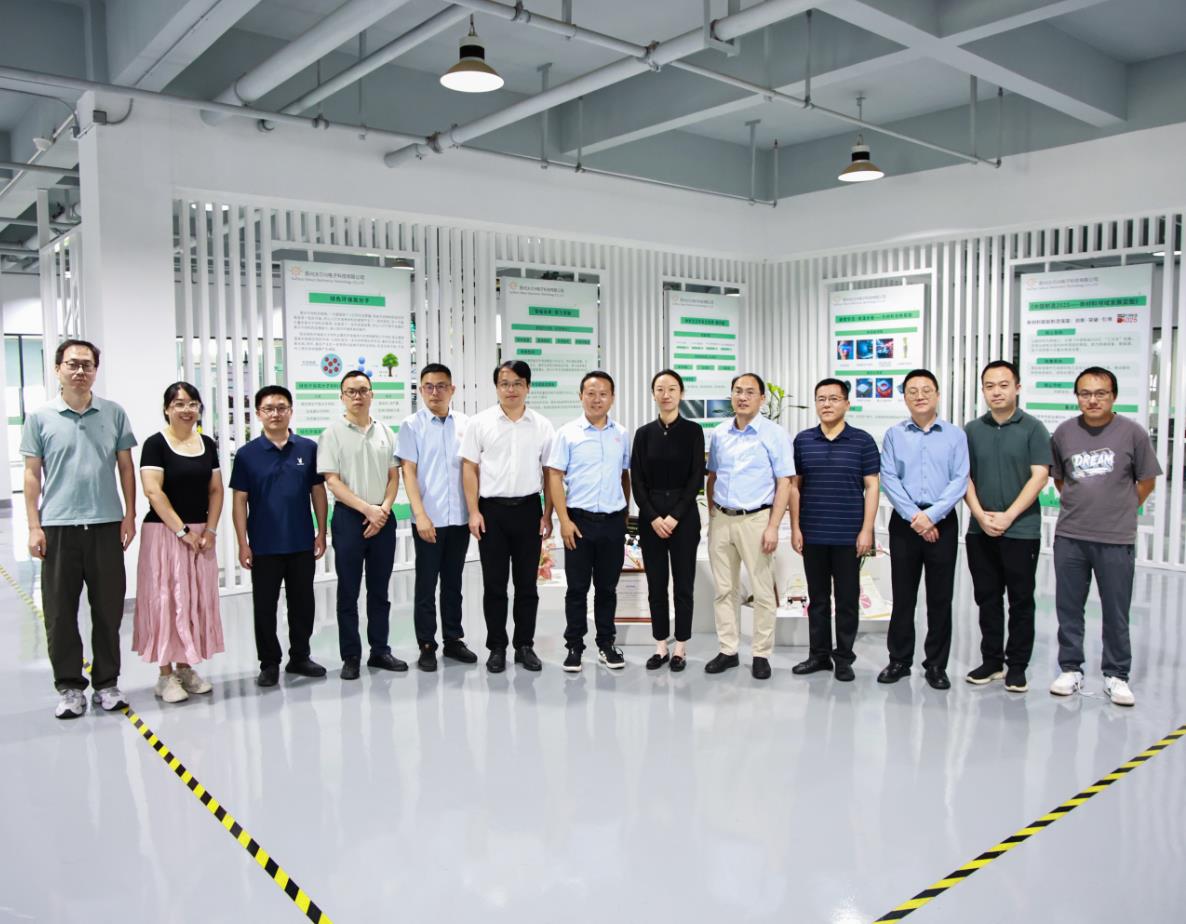
The delegation, led by Hong Ye, Deputy Secretary of the Party Committee of SUST, included representatives from the university’s Office of Science and Technology, School of Materials Science and Engineering, and School of Chemistry and Biological Engineering. VOLSUN Chairman Zhu Xiaoyong, President of the Technology Research Institute Xu Jingxia, Vice President of Marketing Lu Chaofeng, and members of the core R&D team participated in the meeting.
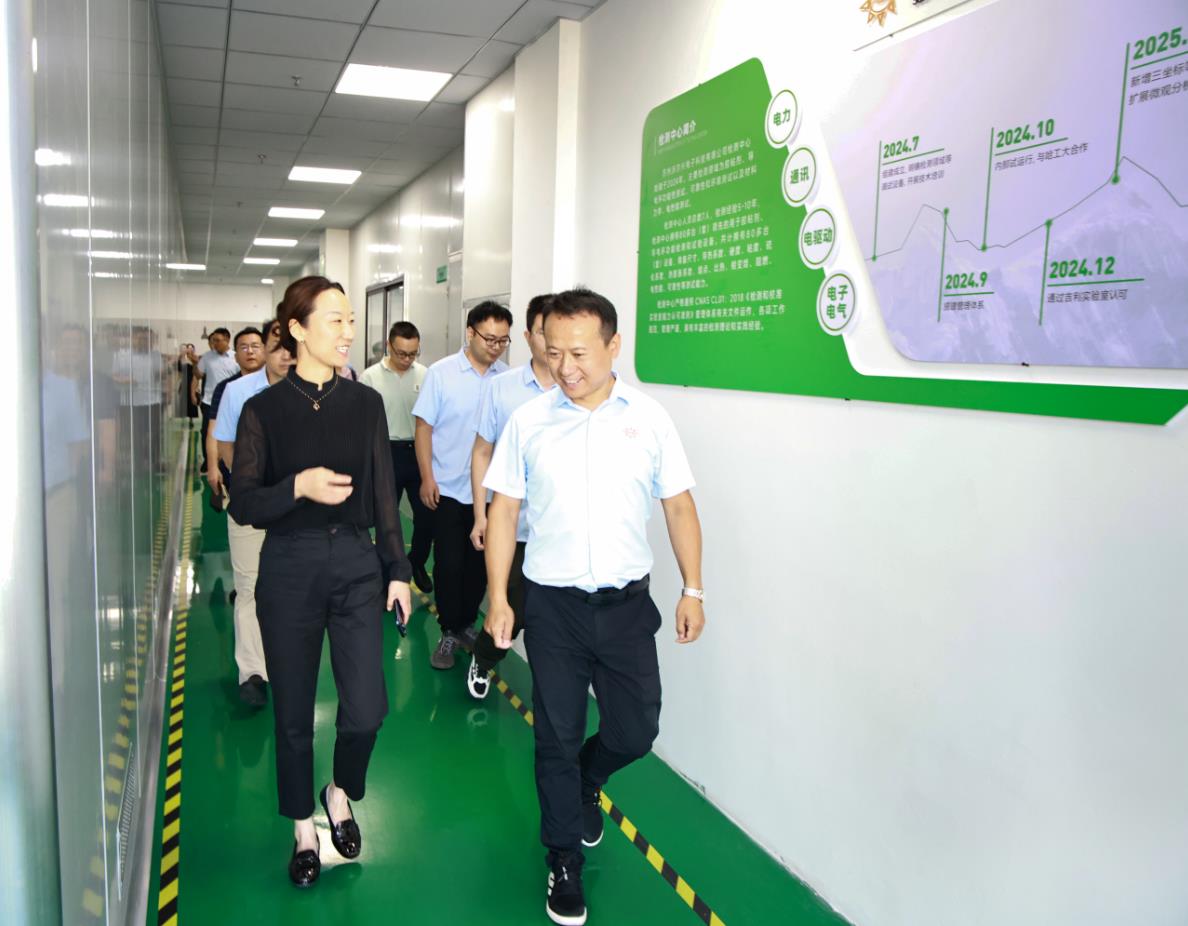
During the visit, the SUST delegation toured VOLSUN’s product showroom, production facilities, laboratories, and testing center. The visit provided an overview of VOLSUN’s product portfolio, R&D capabilities, and industrial applications in areas including functional polymer materials, electrical insulation and protection, thermal management, and motor bearing electrical protection.
The two sides then held a technical exchange focused on new material development and potential collaboration opportunities. VOLSUN introduced its development history, key product areas, R&D system, and industrial applications, highlighting its capabilities across the full process from material research and product development to manufacturing and market application.
Based on real customer requirements and application scenarios, VOLSUN also shared its current technology needs and development priorities in areas such as shaft grounding rings, thermal conductive potting materials, electromagnetic shielding, and specialty protection materials.
Researchers and professors from SUST presented their research achievements and technical expertise in hydrogen energy, conductive materials, silicone rubber modification, carbon nanotube-based electromagnetic shielding, specialty protection materials, and new energy materials. The discussions revealed several promising areas where the research strengths of the university could align with VOLSUN’s industrial and customer-driven needs.
A key direction discussed during the meeting was to establish a practical model of collaboration: enterprises bring real-world industrial challenges, universities contribute research expertise, and both sides work together on development and validation to accelerate the transition of research results into industrial applications.
The two sides also discussed potential cooperation in joint technical projects, research project applications, shared laboratory resources, technology commercialization, flexible faculty engagement, student internships, and talent development.
As a next step, VOLSUN’s technical team plans to visit relevant laboratories at SUST to further explore key technical areas and identify specific projects for cooperation.
For VOLSUN, industry-academia-research collaboration is not simply about connecting with additional research resources. More importantly, it creates a direct link between academic expertise and talent, customer needs, engineering development, manufacturing validation, and market applications.
From the laboratory to the production line, VOLSUN will continue working with universities and research teams to turn material and technology innovation into practical solutions that address industrial challenges and create greater value for customers.
VOLSUN — Innovation and application of materials make the world safer.