 EN

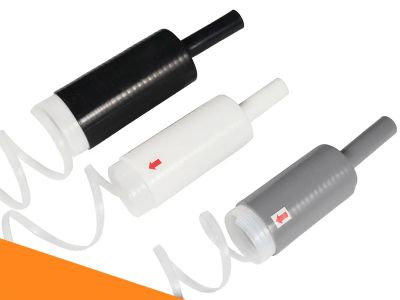
Cold shrinkable tubing is an important tool for engineers. It’s a type of tubing that can shrink down to fit tightly around wires and connections. This tubing is useful because it helps protect electrical parts from moisture, dust, and other things that might cause damage. Volsun makes high-quality cold shrinkable tubing that engineers can trust. When using this tubing, engineers can ensure that their projects are safe and long-lasting. Knowing how to work with cold shrinkable tubing is essential for anyone dealing with electrical systems.
What Is Cold Shrinkable Tubing and Why It's Essential for Engineers?
Cold shrinkable tubing is a special kind of material that engineers use to cover wires and connections. Unlike regular tubing that needs heat to shrink, cold shrinkable tubing can shrink on its own. This happens because the tubing is designed in a way that lets it pull in when you take out the core from inside. This is super handy because it means you don’t need any special tools or heat sources to make it work. For engineers, using cold shrinkable tubing is a smart choice as it provides a strong seal without the risk of burning or damaging the wires. The tubing comes in many sizes, which means it can fit different types of cables and equipment. It helps to keep everything safe from water and dirt. This is why engineers love it! It is also flexible, which means it can bend and stretch a little without breaking. This flexibility helps it fit in tight spaces. Volsun’s cold shrinkable tubing is made with high-quality materials to ensure that it lasts a long time. This also means it can handle tough conditions without falling apart. Engineers need to understand this tubing to make sure they choose the right size and type for their projects. Knowing where and how to use it can make a big difference in the success of their work. It’s not just about putting it on; it’s about planning and knowing what will work best for the job at hand.
Common Usage Issues with Cold Shrinkable Tubing and How to Avoid Them
Even though cold shrinkable tubing is great, engineers can run into some problems when using it. One common issue is not choosing the right size of tubing. If the tubing is too small, it can be hard to stretch it over the wires. If it’s too big, it might not seal properly. This can allow water or dirt to get in. Engineers should always measure the wires before selecting tubing. Another problem is not putting the tubing on straight. If the tubing is crooked, it won’t seal well, which can lead to issues later on. A good tip is to check that the tubing is lined up correctly before applying it. Also, engineers should be careful when removing the core from the tubing. If they pull it too fast or at the wrong angle, it can cause the tubing to break or not shrink properly. Taking your time and using gentle pressure can help prevent this. Engineers should also pay attention to the environment where the tubing will be used. If it’s going to be in a very hot or cold place, they need to make sure the tubing can handle those temperatures. Volsun offers different types of tubing for different conditions, so it’s important to pick the right one. By being aware of these common issues, engineers can use cold shrinkable tube effectively and ensure their projects are built to last.
What Makes Cold Shrinkable Tubing Superior to Other Insulation Methods?
Cold shrinkable tubing is a special kind of insulation that helps protect wires and cables. It is different from other types of insulation because it does not need heat to shrink and fit tightly around the cables. Instead, it is made from a stretchy material that can be pulled down over the wires. When the tubing is released, it shrinks and hugs the wires tightly. This method is better than using heat-shrink tubing, which requires a heat source like a hot air gun. Using heat can sometimes damage the wires or other parts nearby, but with cold shrinkable tubing, you don’t have to worry about that.
Another reason cold shrinkable tubing is great is that it forms a strong seal. It protects against water, dirt, and other harmful things that can hurt wires. For example, if you install wires outside, rain or snow can cause problems. Cold shrinkable tubing keeps the wires safe from these elements, making it perfect for outdoor use. It is also very flexible, which means it can fit on different shapes and sizes of cables. This flexibility makes it easier for engineers to use it in various projects.
Moreover, cold shrinkable tubing from Volsun is made from high-quality materials that can handle tough conditions. It can resist chemicals and extreme temperatures, which is very important for many engineering projects. Engineers also find it easy to install, and it saves time. With cold shrinkable tubing, there is no need for extra tools or complicated processes. This is why many engineers choose cold shrinkable tubing over traditional insulation methods. It is safer, quicker, and more effective, making it a top choice for protecting wires and cables.
What Engineers Need to Know About Cold Shrinkable Tubing Installation?
Installing cold shrinkable tubing is not very hard, but engineers should know a few important steps to ensure everything goes smoothly. First, it’s essential to choose the right size of tubing for the cables. If the tubing is too small, it won’t fit, and if it’s too big, it won’t seal properly. Engineers should measure the cable diameter carefully before picking the tubing size. Volsun offers different sizes, so it’s easy to find the perfect fit for any project.
Once you have the right tubing, the next step is to prepare the cables. This means cleaning the area where the tubing will go. Make sure there’s no dirt, oil, or dust, as these can affect how well the tubing sticks. After cleaning, engineers should slide the tubing over the cable. It’s important to keep the tubing even and straight to ensure the best fit.
After positioning the tubing, engineers need to pull the end of the tubing to start the shrinking process. This is where it gets fun! As they pull the end, the tubing will shrink down tightly around the cable. It’s essential to pull it evenly all around to make sure it seals correctly. Once it’s in place, engineers should check to see if there are any gaps. If everything looks good, they can finish the installation.
Another tip for engineers is to check the tubing regularly after installation, especially in the beginning. This helps to make sure that it is still sealing properly and protecting the wires. Cold shrinkable tubing is a great choice for many projects, and if engineers follow these steps, they can ensure a successful installation that keeps wires safe and sound.
How to Ensure Long-Term Performance of Cold Shrinkable Tubing in Harsh Environments?
To make sure that cold shrinkable tubing works well over a long time, especially in tough conditions, engineers need to take some extra steps. First, they should choose high-quality tubing from a reliable brand, like Volsun. Quality materials can withstand extreme heat, cold, and even chemicals. This means the tubing will last longer and protect the wires better.
Another important step is to install the tubing correctly. Engineers should follow the installation tips mentioned earlier to ensure a tight fit. If the tubing is not installed properly, water or dirt can get inside, which can cause problems over time. It is always a good idea to double-check the installation to make sure everything is secure and sealed.
Engineers also need to think about the environment where the tubing will be used. For example, if it’s going to be placed in a hot area, they should check the temperature ratings of the tubing. If it’s in a freezing environment, they should ensure that the tubing can handle cold temperatures without cracking. This knowledge helps in selecting the right type of tubing that can endure the specific conditions it will face.
Table of Contents
- What Is Cold Shrinkable Tubing and Why It's Essential for Engineers?
- Common Usage Issues with Cold Shrinkable Tubing and How to Avoid Them
- What Makes Cold Shrinkable Tubing Superior to Other Insulation Methods?
- What Engineers Need to Know About Cold Shrinkable Tubing Installation?
- How to Ensure Long-Term Performance of Cold Shrinkable Tubing in Harsh Environments?